Psychology
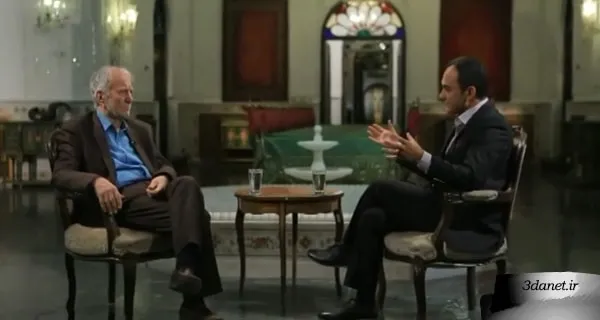
Mohammad Milani in Conversation with Dr. Gholamhossein Motamedi on Death
Dr. Gholamhossein Motamedi, a psychiatrist specializing in death, explores its nature in an interview. Pointing to the indefinability of the concept, he examines its dimensions—including brain, social, and psychological death—and analyzes the impact of isolation in modern society.
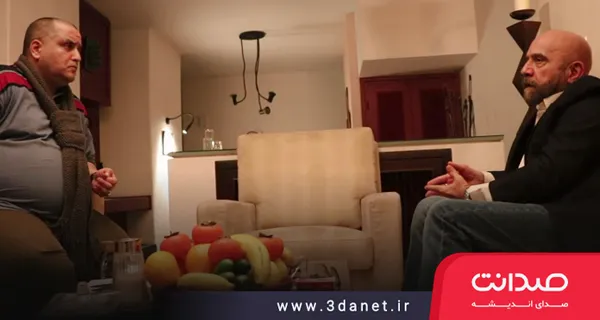
Note: The air was cold and we had arrived earlier than our appointment with Dr. Motamedi. We decided to spend these few minutes before the interview in a nearby arcade. An arcade that was more of a public shopping center. We looked at the shop windows for a few minutes and were slowly making our way out of that shopping center when, at the top of the stairs, I noticed an elderly woman who intended to climb the stairs but was struggling. I helped her. When she finished the stairs, she stood facing me and placed a smile on her lips as a sign of thanks. We passed each other when I noticed the worried looks of several people at the bottom of the stairs. When I looked behind me, the elderly woman had collapsed on the ground. Without any movement. A few more minutes passed. Now they had taken her inside the arcade, and emergency responders were attending to her in a corner. They were constantly taking her blood pressure and giving her artificial respiration. I could hear almost no sound and was lost in a heavy presence that I felt was leaving the body of that elderly lady. Now we were a few minutes late. Amid the commotion of a crowd standing worriedly, they placed her in the ambulance and saw her off with hopeless faces. Now that elderly lady had closed her eyes to the world, and I, along with my photographer friend, were heading to our appointment for an interview about death.
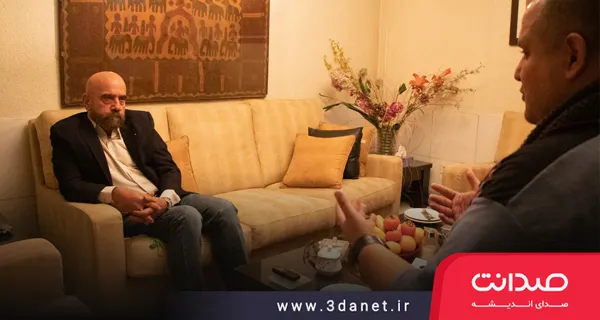
Dr. Gholamhossein Motamedi is a physician and psychiatrist whose primary concern in his work and research is the human being, death. Although he has always considered human hope in his research and work, he can boldly be considered one of the first psychiatrists for whom not only has death been a concern, but who has also conducted valuable and unique work, studies, and research in the Persian language. To the extent that, from this perspective, he needs no introduction, as his translated and authored works clearly show that the human being, with all its existential and ontological dimensions—whether death or the existential dimensions surrounding it—is the most important criterion for his research and work. What you read is the result of a conversation with him about the nature of death and what surrounds death, not the mortal being. A conversation that, in its own right, demonstrates both the importance of his written works on this subject and the work that remains to be done, and thus his most important concerns these days.
Thank you very much, Dr., for accepting my invitation to this conversation. To begin the discussion, one can either enter the topic without preamble or establish a framework and constellation for the conversation and advance the discussion, namely a discussion about and based on death. That is, death will be the object of our cognition in this session, about which we intend to speak.
On this basis, when you speak about death, we see it according to that criterion, and of course, we know what conceptions or beliefs about death are considered in different cultures. Conceptions and beliefs that can have an individual aspect or be influenced by the individual's social type and upbringing, and most importantly, death even refers back to ancient and historical precedents. Let us imagine social and political Iran. Now let us consider death. Let us analyze and explain this in different periods. How has death been defined over the past decades within the contemporary historical, industrial, and cultural structure? Must we necessarily consider that same comprehensive and general definition? Well, if so, what exactly is this definition? Meanwhile, we must accept that psychology has entered the arena of the humanities, and the primary influence from the realm and perspective of psychology can neither be denied nor considered the ultimate end. Or if we claim that, in each social and cultural period, depending on the degree of richness and inclusiveness of cultural teachings, how could death have been defined? In another sense, has the meaning of nothingness or non-being changed within the social context and the public perception of it?
If one is to offer a definition of death, you know better than I that such a universal and all-encompassing matter, unique to the individual, is not definable. This is, of course, self-evident. That is, categories like death, love, existence, and the like fundamentally cannot have a single, comprehensive definition. One can give hundreds of definitions for them, and perhaps none would be entirely complete in meaning. Once, while writing something about love, I came across the issue that when a research budget was being allocated by the U.S. Senate for research affairs, specifically regarding death, one of the senators, who if I am not mistaken was from the state of Wisconsin, expressed his opposition in this manner: that they want certain things that are to be researched to retain their ambiguous state, and research efforts should not move toward discoveries or demystification in these matters. In this sense, then, based on whether one agrees or disagrees with providing a definition of death, one can offer hundreds of definitions of death, while that specific and comprehensive definition, the universal and principal definition, may not be among them.
Now, let us suppose that because I am a physician and due to the nature of my studies in neuroscience, I can say that in this field, we have a definition of brain death as death. For example, when certain brain reflexes are absent, the state of the medulla oblongata, and so on, indicate brain death. On the other hand, when they want to provide a definition for grand concepts, in some cases they resort to analyzing or dividing the nature of that matter. For instance, they differentiate death with a biological or physiological cause, or even social death. For example, in the realm of thanatology, they say that an appropriate death is one where all factors and elements occur together. Because we know that social death is a kind of isolation. We certainly know that most elderly people find themselves in such conditions long before they die, and, so to speak, they are placed in social isolation and gradually die. This type of death, which depends on the individual's social conditions, originates from the individualism and self-centeredness that is very prominent in the form of modern society. For example, there have been and are numerous cases in Japanese society, which can also be observed statistically, of people who have died for this reason and whose bodies were found in their homes long afterward; it is a serious allusion to this mode of modern life coupled with isolationism.
Of course, the important point here is that we know social death is, in a way, accompanied and paved by isolation. Or when we speak of psychological death, it means that those whose reserves of energy, or what is called the psychological mechanism that served as a defense or a modulating agent for carrying out affairs, are being depleted—or, better yet, let's say they are exhausted. At this juncture, when I offer definitions and descriptions of this sort, I am actually cautioning myself against giving a definition. At the same time, when we talk about it, others also understand and grasp what we are talking about based on that collective consciousness and common sense. But, as you put it, when we intend to enter the category or phenomenon of death for the purpose of analysis, the definitions naturally differ based on the doctrinal perspectives and theories of various systems. For example, death from a historical perspective encompasses its own series of approaches, which is not the case in another approach. Because, in practice, the viewpoint and cultural criteria of each perspective differ from another approach, or in a historically focused view, even death is a different process. In this regard, other differences also practically occur that are actually measurable. For instance, the patient's situation in a hospital or in a hospital room in relation to death and their presence in such a place, when all patients are identified by their bed and bed number. A kind of individual de-identification can, in turn, have a profound effect on a patient nearing the event of death. In parentheses, I would also like to mention this example: the sense of isolation created in patients, especially in describing the situation and status of the elderly as a model and example, is important. Because, based on society's attention to them, the younger strata of society, and general cultural, media, and social views, we are undergoing very serious changes. Currently, all the main functionalist components in the social and cultural sphere tend to sanctify the period of youth and prioritize attention to them, and since the middle-aged and elderly population is increasing and, so to speak, although the gray power is going to play an influential role in our society and social culture, we must not forget that this fundamental lack of attention to the category of the elderly can, in turn, have a not-so-correct effect on our social and individual view of death. For this reason, when we are faced with this volume of variables, a comprehensive definition of death should not, in practice, be offered.
So, with this in mind, a definition for death should not essentially be offered in terms of limiting the concept, because it is both in contradiction with the existing transformation in the nature of death itself and, of course, from the perspective of humanities and psychology studies, it cannot be easily limited. We have reached this single definition. In the peripheral structure of the discussion of death, we practically see another form of meanings. Do you think I have understood correctly and my statement is accurate?
If you mean that the religious approach undergoes a difference of perspective in some places, well, naturally that is correct, and you have understood correctly; there are still those who view these matters in a religious framework and act according to the discretion and practice of their predecessors and their religious teachings. These customs, it makes no difference anywhere in the world with any religion or creed, naturally, individuals, drawing from their own customs and traditions, hold their own ceremonies.
In this matter, it even goes so far that in the West, when an individual is about to go towards death under Christianity, in any of its prominent forms. In every hospital, a priest is brought to the patient's bedside who can be effective and calming for the patient. That is, the matter is this important; in our country, too, clerics have recently been used in similar cases. Because at this critical and unrepeatable juncture, our patient is about to depart, and giving them tidings of health and well-being and hope is practically ineffective; rather, their burden must be lightened. The extra worldly burdens must be lifted from their soul and psyche so that they can leave this world comfortably and with acceptance of reality. A duty that the religious cleric must fulfill in the best possible way. Now, with this in mind, it can be stated that the basis of existing education and the use of religious teachings is that thanatology should be considered one of the main goals of philosophy and religions.
اما شکل این نوع از اتفاقات یا رخدادها به هنگام مرگ مبتنی بر یک کنش اعتقای به پیش میرود. برای مثال فرض کنید بنده به عنوان یک مسلمان در ایران به خاک سپرده شوم همین مراسم برای من برگزار میشود که مثلا اگر در مکزیک به شرط آنکه درآنجا مسلمانانی باشند که معتقد به خاکسپاری من برمبنای آموزههای دینی من و خودشان باشند. این کنشی مسلمانی ما است. عرفی ما مسلمانان است.
اتفاقا مشکل شما نیز در همینجاست. معیارهای عرفی جهانی را به هیچ عنوان با میارهای مرسوم جهانی یکی تصور نکنید. احتمال شباهت در معیارهای عرفی اما مشترک در دنیا به حدی است که برخی از آنها را ما تجربه میکنیم و ممکن است تعدای از آنها را اصلا نه ببینیم و نه تجربه کنیم. ولیکن معیارهای عرفی در مقوله مراسم تشییع و خاکسپاری محسوب میشوند. حتی ممکن است ارزش محتوایی هم نداشته باشند. برای مثال اکنون در کشور ما هم مدتی است که سوگواران کرایهای وجود دارند و کار میکنند. مثلا کارهای نمایشی که ارزش محتوایی هم نداشته باشد اما کار میکنند. آرایش ازبرای سوگواری و عزا که از قضا با شگردهایی که دارند حالات صاحب عزار را طوری طراحی و حتی گریم میکنند که بیشتر از آنچه که هست سوگوارتر نشان بدهد. یا کارهای بسیار دیگری در این آیین ها که از قضا گران نیز است. حال این کارها انجام میشود. در ظاهر تغییراتی شاید در شکل و شمایل مراسم آیینی عزارداری شگل بگیرد اما در درون صاحبان عزا یا کسانی که در مراسم عزاداری شرکت کردهاند چه تغییر و تحولی شکل میگیرد، خب بالطبع چیزی نیست که بتوان به راحتی آن را اندازهگیری و ملاکگذاری کرد. حتی اگر تعارضی هم باشد و از آنها به همین عنوان یاد شود مثل باقی مقولات فرهنگی و آیینی است. اما به قطع یقین در نسبت با آن الگوی اولین فاصله زیادی داشته و خواهد داشت.
شما به عنوان یک پرشک فعال در حوزه مرگ شناسی آیا اطلاع از خدماتی دارید که از سوی مقامات ذیربط برای کسانی که به سمت خودکشی میروند یا اقدام به این کار میکنند داشتهاید. آیا این افراد تحت پوشش مشاورهای قرار میگیرند؟ آیا به طور کلی خدماتی که مورد نیاز آنها است در اختیارشان قرار میگیرد؟ آیا به منظور جلوگیری از وقوع چنین اعمالی ساختار پرشکی و روانپزشکی کشور چه اقدامات و تمهیداتی در قبال مرگهایی از این دست درنظر میگیرد؟
این مسئلهای که شما عنوان میکنید در یک قالب کلی به عنوان آموزش عمومی و همگانی میتواند مطرح شود. به نام آموزش مرگ. آن هم در سطح عمومی جامعه. ماننند آمورش مسایل جنسی که مدتی در بسیار از مدارس اروپایی و بحث تنظیم خانواده برای ما در دانشگاهها و مدتی نیز در برخی از دبیرستانهای کشور مطرح شد و شکل اجرایی نیز به خود گرفت، از این ساختار تبعیت میکرد. در جریان هستید که چنین مسئلهای زمانی تابو بود. ولی در حال حاضر مسایلی را که عمدتاً جنبه پایهای دارد را بسته به نوع اعتقادات افراد و خانوادههایشان که درآنجا تربیت یافتهاند، میتوان در سطح عمومی آموزش داد. البته نباید این قضیه مهم را فراموش که در پس همه این اقدامات و زمینهچینیها دو اصل مهم قرار دارد: 1. انکار 2.پذیرش.
Many individual or collective and social cultural behaviors and attitudes are based on the principle of denial. It may not appear so on the surface, but many efforts—including those of some philosophers who hold views and beliefs on this matter, as well as religions that have narratives based on these principles—are aimed at steering people toward the principle of acceptance rather than denial. This denial we speak of is unfortunately by no means limited or confined to the general public. Rather, examples of denial are clearly visible among physicians as well. For many doctors, the reason for choosing their specialty is the adoption of a denial reaction in this regard. That is, their actual aim in making such choices is to show that they are somehow immune to death. Beyond that, unfortunately, among medical staff, physicians, psychiatrists, and those involved in these matters in the country, there is absolutely no necessary and illuminating training. This is, of course, contrary to the prevailing practice in developed countries. In the United States and, consequently, among European countries, there is a movement called the hospice movement, which has facilities and places whose amenities are more than a home and less than a hospital. These are centers where specially trained nurses, along with necessary medications, are present, and their fundamental work is caring for patients nearing the end of life. But unfortunately, this is not the case in Iran. Because matters beyond providing and prescribing medication, such as caring for a person spending their final moments of life, are part of the work of confronting someone beside whom death stands. All psychological affairs, even necessary conversation and psychotherapy with the individual in question, are part of the duties of a nurse or physician trained in this regard. These matters are perhaps so important that without examining and providing the necessary training to individuals for the proper confrontation with a person who is departing for another realm, it is practically impossible. In our country, unfortunately, I am even aware that oncologists have not received formal and structured training regarding confronting dying cancer patients. It is for this reason that a patient who is dying constantly does not hear truthful and honest words from those around them and their medical team, and this unfortunately gradually paves the way for their psychological decline. Hence, a specific psychotherapy based on defined and comprehensive principles in this regard must be considered.
Years ago, you wrote a book titled Man and Death, which in its own right holds great importance in the Persian language and for Iranian audiences. Apart from being the first comprehensive book of its kind on this subject, its comprehensive view of the category of death is also very unique, so much so that, as one critic of the book said, you had said everything that needed to be said up to that day, and everything we need to know to serve as a guiding light for future research and upon which to base studies, we find in this book. When the audience encounters the book, they practically encounter such a structure as well. Therefore, I want to know, if you take the success of this book as a criterion and make it the basis for undertaking the writing of a second volume of this book, what matters and principles, and also what unspoken points, would you consider in this second volume? Also, bear in mind this question: what are our scientific and written needs for the future of the science of thanatology and death studies?
This book is a foundational book for thanatology, which is presented within the framework of psychology, and it is a work that generally addresses therapeutic issues, and if I have addressed philosophical and interdisciplinary issues and topics in it, it is because the book was general in this respect, and I wanted such matters to also be raised in this book. Otherwise, I do not hold specific philosophical views. But the content within the book is interesting and comprehensive enough that philosophers should comment on them. So the book will not have a second volume. This book is an overview. However, I am currently compiling a glossary of thanatology. But if I were to work on this book, each of the chapters of this book could have its own comprehensive and independent project. The chapter on mourning is one of those chapters that has much room for further work. The discussion of the relationship between death and neuroses is in itself a very important topic and has much potential. The discussion of how to provide healthcare services to dying patients is also one of those issues on which the least possible amount of work has been done, especially considering that conditions are currently moving toward awareness in this regard.
Given my personal interests in philosophical categories and concepts, I tend to consider books from this perspective and death as a primary focus. Issues such as death and the image and its relationship with the concept and narcissism. Because these days, our society is rapidly moving towards collective narcissism, and this so-called illness and its relationship with death has become one of our most important psychosocial issues. It has also created issues and concepts of immortality and criteria, and its relationship with death is among the important topics that I wish to challenge and analyze the connection between these issues of consciousness and death.
.
.
Mohammad Milani in Conversation with Dr. Gholamhossein Motamedi on Death
Watch the conversation video on YouTube | Aparat
.
.
Discussion3 comments
دست تون درد نکنه که این مصاحبه رو منتشر کردهاید. اما حتما ویرایش اش کنید. ایرادات نگارشی و تایپی آن قدر مهمی در متن وجود دارد که متن را در بعضی جاها بیمعنا کرده و غیر قابل استفاده. پس لطفا هر چه زودتر ویرایش کنید. در این ویرایش، نویسنده ی متن هم باید حضور داشته باشد تا به ویراستار منظورش را بگوید. با احترام و سپاس دوباره
با تشکر از سایت صدانت برای مطالب مفیدی که نشر می دهد. موضوع مهمی بود. مرگ پدیده ای است تجربی که هیچ تجربه کننده ای وجود ندارد تا گزارشی عینی از آن بدهد. نکته: مطلب ارزش این را داشت که ابتدائیات ویرایش در آن رعایت شود.
عجیبه که صدانت چنین متونی رو منتشر میکنه. متن انقدر اشکالات ویرایشی داره که به سختی میشه خوند و فهمید.