Psychology
Mohammad Sanati: Here, Violence Is a Value
Psychoanalyst Mohammad Sanati sees violence in Iran as historically rooted; our unconscious has come to value war and aggression. He argues that execution solves nothing and that the third way is to channel instincts toward creativity and science, not repression or unbridled gratification.
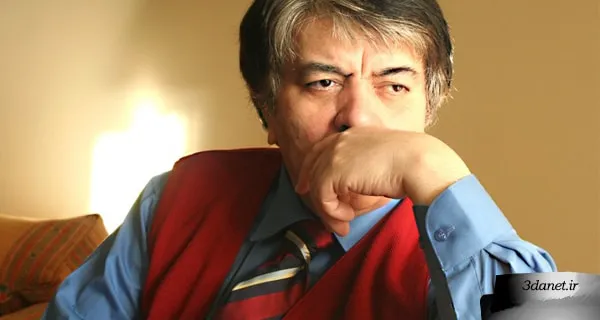
Dr. Mohammad Sanati is a psychoanalyst with a specialization in psychiatry from the Royal College of Psychiatrists in England. He has worked for many years as a faculty member and associate professor in the Department of Psychiatry at Roozbeh Hospital and Tehran University of Medical Sciences. One of Sanati's areas of interest is violence, particularly its prevalence in Iranian society. In the view of this psychoanalyst, violence and aggression are older than humanity on this planet. According to him, violence and instinctual life are among the most important problems of the human world, especially in Iran. In an article on the issue of violence in Iran, Sanati has written: "The collective political unconscious of our people, throughout mythological and recorded history, has always had war, aggression and violence, force and vengefulness, hatred and revenge on its agenda in political, social and cultural life as a value or a necessity for safeguarding faith and homeland, and the reason for this has been all those wars, insubordinations and dominations to form a mighty empire from 25 centuries ago." We sat down with him to discuss where violence comes from and where it is heading.
Mr. Sanati! You have specifically worked on the concept of violence and written extensively in critique of it. In your opinion, in cases where individuals commit acts involving high levels of violence, what is the cause? For instance, regarding an act of rape where an individual or individuals violently assault another, what process has occurred in society or within these individuals themselves that results in such intensely violent actions?
This matter has two parts: one is the sexual issue, and the other is the issue of law-breaking, transgression, and violence. In my belief, these two issues are completely separate. Although both of these trace back to very basic human instincts, the same instincts that old psychology called the bestial, animalistic, or brutish needs of humans. Every animal has both a sexual need and a drive for violence. Humans, as one of the well-known animals, also have both basic needs.
But humans have a major difference from other animals, and that is thinking, as well as the ability to make things with their own hands. These are the two differences between humans and animals, but in other respects, there is no difference between humans and other mammals. A large part of early human life was based on these primal needs, and they could not use their minds in the way modern humans do. Incidents like rape are actions based on instincts and without thought. Of course, in international psychiatry, rape means that if a man or woman forcibly touches another person, even without their consent or desire, it is called rape. Rape does not necessarily mean penetration occurs. All these stages are called rape, whether it happens in a taxi, on the street, or elsewhere. Now, if we surrender ourselves to our instincts, we must satisfy the sexual instinct or the aggressive instinct in any way possible, meaning that as soon as our sexual instinct is aroused, we cannot control ourselves, or when our instinct for violence awakens, we pull out a knife and kill another to be satisfied. Then Freud says that if we do such a thing, we become criminals, and if we completely repress it, we may become depressed, anxious, and ill. He then explains that between these two, to be civilized, I am compelled to choose control, because if we violate each other and each other's bodies, no society will remain. Therefore, this price must be paid. But it is also possible not to pay this price, the result of which is anxiety and depression.
– Is there no third way to control these instincts besides these two?
It is possible to satisfy a part of this need, but to channel a large part of it into creativity and the sublime, from work to art to science and so on. If we guide a society towards science and scientists find real esteem, then young people will see that becoming a scientist, learning knowledge, and becoming an artist has value. Unfortunately, in this society, young people see that if they acquire knowledge, their salary is no different from an illiterate worker, and for this reason, they will not value knowledge. Their role models become the neighborhood thugs.
When incidents like this occur in society and are publicized, podiums and officials all speak of increasing the severity of crackdowns. What effect does increasing the severity of crackdowns have on such a situation?
Rape carries a very heavy penalty everywhere in the world, among the heaviest of punishments. But the rest of the world does not agree with the death penalty; the reality is that execution does not solve the problem. Over the past thirty years, many executions have been carried out, both in public and in private, but they have not brought about any change. All methods of moral education have also been ineffective. The death penalty does not solve the problem; if it did, other developed countries of the world would also do it. But in our administration of justice, we also have a black-and-white, all-or-nothing world, as if not executing someone means they must be released and returned to society. A few years ago, the case of a teenage murderer named Behnoud was the daily topic of discussion in the newspapers, and he was ultimately executed. The newspapers defended him as if he were an innocent person who should be released as quickly as possible, but the individual had carried a switchblade in his pocket for three years. Well, that is a lethal weapon; it is not a kitchen knife. What kind of defense is this? His murder was premeditated. But because it was committed at the age of sixteen, he should not have been executed, but that does not mean he should be freed either. Intellectuals who know neither the meaning of law nor freedom, nor have any understanding of the progressive world, think they must support these individuals. The judge who sentences these people to death is wrong, and the work of these intellectuals is a hundred times more wrong.
– So what is the solution? What should be done with these rapists or those inclined toward extreme violence?
We psychiatrists recognize people who commit such acts as psychopaths (antisocial), meaning those who break the law, derive pleasure from law-breaking itself, and feel no shame. In other countries, they have reformed the law; they do not execute offenders but keep them for long periods in prison or special hospitals. Because they cannot even be kept in ordinary prisons. They might harm others or commit sexual assault. These individuals cannot be kept in any ordinary hospital either. In those countries, these people, who do not fear the law, feel no shame in breaking it, and even feel a sense of courage and heroism, are kept in a kind of "prison-hospital" specifically for rapists. Punishment is generally for making society safe, not for an individual. Execution has not solved anything but rather increases the desire for violence, especially if carried out in public.
– Some are of the opinion that rape stems more from intense sexual need than from a desire for violence?
That is not the case at all. This issue has nothing to do with sexual repression. These are people who were born into violence from childhood, grew up with violence. We have often heard that American soldiers who were in the Vietnam War, after returning home, still years later sometimes appear somewhere and gun down people with machine-gun fire. This stems from being in the scene of violence in that war, which is why I say this. Rapists do not have a problem of sexual need or deprivation at all. There are so many possibilities for sexual relations on the streets of Tehran; is it not readily available? Why should someone commit violent rapes?
– But is access to that possible for everyone?
No, not at all. I absolutely and completely do not accept this statement. The street is full of women with whom one can become friends; some also work in this field. By paying a minimal amount of money, one can satisfy their need. Many of these rapists carry out their acts with a car; are these people poor? Sometimes the fact of having a car is forgotten. They are not below the poverty line. It is true that they seem to belong to the margins of the city, but these are not truly marginalized people; most of these individuals have cars. The same is true in the city center. When obtaining drugs on the streets is this easy, it means there is no shortage of money; with that same money, this need could also be met. Well, wherever the money for drugs is provided, the money for satisfying sexual needs can also be provided.
– But it does not seem that the issue is solely related to having or not having money
Let us, before forcing theories onto reality, see what reality is and speak on that basis. I not only see no sexual deprivation; the issue is that we have nothing to do besides sex and violence—we have a prohibition on thinking. What these thuggish types are absolutely unwilling to enter into is thought; they reject anything that requires even a little thinking. They even prefer to watch a film that requires no thought, to lie back, crack sunflower seeds, and watch it comfortably, to have some nonsense spoken and laugh at it. Violating another perhaps gives ten times more pleasure than the sexual act itself to those who seek it. This part is not paid attention to. Why do people not find legitimate sex pleasurable? Because for them, the forbidden is itself exciting. The issue is that the person who commits a criminal act does not realize its name is crime; they consider it a cool and exciting act. In itself, it is exactly like running a red light; it is as if one were to say that those who run red lights suffer from a lack of red lights or a lack of green lights—no, they simply lack the patience to stop at the light, they lack patience for the law, meaning they accept no framework whatsoever. Some of the crimes that occur in our country are truly horrifying, but we are becoming accustomed to them; every day when we open the newspaper, we see news of a dozen or two of these horrifying crimes. One must ask: has our society suffered a moral collapse? Or have we simply been deluded and never had morality? That is, we had the delusion of being good-natured.
– When you say we must see “whether we have been a good-natured people or had the delusion of being good-natured,” does that mean, in your view, the state of morality and violence in our society has always been this way from the past to the present? Is that correct?
Yes, in my view, except for the second and third centuries AH through the sixth and seventh centuries AH, which coincided with the flourishing of Islamic civilization when reason attained a lofty status in this society and great scientists like Razi, Biruni, Farabi, Avicenna, and others emerged. But before that, we were decidedly more of a warrior people; we had a special fondness for violence and thought it was violence that could help us in world-conquest and empire-building. Similar to what England, Spain, and others also used to conquer other parts of the world. Of course, they used less violence and tried more to dominate other nations using their intellect. That is, they relied more on politics, whereas we relied more on the sword. In that era, young boys were taught swordsmanship, horseback riding, and archery. I have rarely heard that it was customary in Iran to send sons to thinkers like Aristotle and Plato, whereas on the other side of the world, princes were taught by Aristotle; but in Iran, Rostam was the teacher of princes. This cultural difference is no small thing and is very important. In our country, for many centuries, especially after the Mongol invasion, thinking has been dangerous; therefore, everyone has been encouraged not to think. The reality is that if schools had not been introduced to Iran 70 to 100 years ago, schooling would not have become customary in Iran either. Our poet also said: fortunate is he who came as a foal and left as a donkey.
– Of course, the poet was being ironic.
Yes, it was irony; it was an irony directed at a society that mostly praises not thinking and also feels happy about it.
– This means the violence you speak of has historical roots. In the modern era, have there also been factors that have promoted violence in society?
A thuggish lifestyle has been cultivated in this society from the 1340s [1960s] until now, which in my view is horrifying. One must ask why our youth are interested in speaking like thugs. When they speak like thugs, they also act like thugs. The thug has become the “luti,” and we all love the luti-like disposition, and the symbol of the lutis is Pourya-ye Vali. It is as if it is really good for me to have a switchblade in my pocket! As if it is really cool for me to be a wrongdoer. Wrongdoing in Iran has become very cool. What our youth love and get a kick out of is transgression. I said in an interview before, unfortunately, in the 1340s [1960s], our leftist intellectuals and guerrillas said, “Close the books and pick up the guns.” With that act, even that tiny bit of book-reading by this nation came to an end.
– So can it be said that the violent incidents and actions occurring in society are the product of promoting the very dispositions you consider violent?
Look at the characters in popular Iranian cinema over the past years. Fardin was a chivalrous tough guy, Behrouz Vossoughi the same, Ali Hatami made films about such figures, and many others. Then suddenly we saw Bik Imanverdi and Qeysar taking to the streets with knives. This was natural; kids learned it too, because these figures became their heroes. The result is that this becomes our lifestyle—encouraging war and violence, which is not right. I am horrified by Iran's seven television channels. Most of the films they broadcast have a violent theme. Whenever we look, there are either martial arts films, war films, or gangster films. When broadcasting a decent cinema film involves so many restrictions, why are there no restrictions for broadcasting these films? When is sexual content censorable? Is this violence not censorable? In all our series, we have a chivalrous tough-guy character, and they are popular. This tradition began in the Shah's time and continues to this day.
– But most of these martial arts and war films are Hollywood productions and are broadcast all over the world. If that's the case, then the whole world is grappling with this problem, isn't it?
Yes, Hollywood produces these, and worldwide, horror and crime films have the highest box office sales. But in other countries, watching these films is prohibited for those under 18 because they know it affects these individuals. In Iran, however, these films are broadcast on holidays, during celebrations, or at the most-watched hours of the day.
– Another point is that in the West and other countries, news of assault and violent acts is also published. That is, it's not simply that violence exists only on this side; it exists in those countries too. What is the difference between our violence and theirs?
Of course, violent incidents occur in those countries too, but the difference is, first, they report them quickly; there is no case that remains neglected. It happens in the West too, but we are talking about proportion. I once said to an English lady in London, 'You also have sexual centers and the like?' She said, 'Yes, this center is for attracting tourists.' Then she asked me, 'Did you go to see it?' I said no. She said, 'If you go, you will see whether the patrons there are English or from the Middle East and other countries. In their discos, they are not British.' They are, but it is that 20 percent of society who are thinkers and creative that run the society. Here, do we have such a proportion? If we did, we would be much more fortunate than this. These very things cause us to make false comparisons. Yes, there are centers there too, but they are very lawful, modern, and calculated.
– How does the modern condition deal with such cases? That is, what does modernity say in the face of such circumstances?
Of course, we say modern concepts are irrelevant to us. But what is modernity, anyway? It is about law, it is about individual rights, it is about preventing aggression, it is about justice and ethics. Modernity is not some monstrous, anti-ethical thing. Modernity says everyone must know their own boundaries and respect the boundaries of others. Now, these two could be two countries, two families, two ethnic groups, or two individuals. That is, I should be immune from another harming me, and the other should be safe from my violence or my desire to transgress. This means law. Therefore, the first thing I feel upon hearing or seeing such violence is that we live in a very lawless society. An 'anomic society,' or a society that has become value-confused.
– You even mentioned running a red light as an example of a tendency toward violence and law-breaking. Can't this case be attributed to a lack of education, insufficient laws, and similar factors?
Of course, there is no doubt that we have fundamentally been a law-breaking society. That is, at least I know that from the time of the previous regime, people of my generation, when they heard the word law, thought breaking it was tantamount to courage. Lawbreakers were recognized as heroes. Even now, you observe that running a red light is just like this, even though this is an international law and has nothing to do with governments. Running a red light is not a sign of courage; going the wrong way down a one-way street and protesting against others who are driving correctly is not courage. In other countries, the law has been internalized. It does not matter whether an officer is standing over individuals or not. The individual himself does not feel good about breaking the law. But here, law-breaking is a source of pride; wrongdoing is cool and a form of recreation. And when someone has no fear of the law enforcer, or does not accept them, they feel it is much more exciting for this law-breaking to be in public. The fundamental and basic problem of these individuals is the act of law-breaking itself and the pleasure derived from this violence. Therefore, there are several points here; fundamentally, it seems our society constantly needs excitement, and if there are no additional stresses, the people themselves create them in order to feel a sense of existence. Violence and transgression, and the act of me breaking the law in public, is exciting. Running a red light or breaking any other law will create excitement, and this is pleasurable.
– The fact that you say illegal and unlawful acts are considered cool and pleasant in our society is a reality; on the other hand, law-abidingness and legality are also considered cheesy and tasteless.
In our society, not only law-abidingness, but even love and affection are considered among the cheesy words; even husbands and wives say it to each other reluctantly, thinking it is cheesy, but you can have your fill of insults and whatever relates to violence, that is cool. I do not understand why our society is like this; we must come to our senses, why have we become so violence-seeking. A little self-criticism is necessary. I know what I am saying is not pleasant for people. But it must be said, because not saying it is damaging to society. The role models must be changed; individuals must realize where all this violence has brought us. One must ask why law-breaking and ill-temperedness have become so attractive to people? Why do people have such a need for the excitement of violence?
.
.
Dr. Mohammad Sanati in conversation with Shargh/Yearbook 91
Sadra Mohaghegh
.
.




Discussion4 comments
گفته اند : « ما بیشتر مردمانی جنگجو بودهایم، به خشونت علاقه خاصی داشتیم و فکر میکردیم خشونت است که میتواند در جهان گیری و ساختن امپراطوری به ما کمک کند .... یک شیوه زندگی لاتی از دهه ۴۰ تا کنون در این جامعه پرورش داده شده که از نظر من وحشتناک است. باید دید چرا جوانهای ما علاقمند به لاتی حرف زدن هستند؟ ... متاسفانه در دهه چهل روشنفکر چپ ما و چریکها گفتند کتابها را ببندید و تفنگها را بردارید، با آن کار همان ی کذره کتاب خواندن این ملت هم تمام شد. » وقتی کرم برگ خوار بخواهد درخت را وصف کند ، همین می شود. ساکنان ایران که همواره در معرض تازش اقوام بیابانگرد و دامچران بوده اند ، برای مقابله با تهدیدها به جوانان فنون رزم می آموختند و منش و بینش جنگاوری در آنان پدید می آوردند . در شهرها هم در برابر یکه سالاری و خراج خواهی بی حساب و قانون ارگ نشینان ، پروردن عیاران و جوانمردان حامی متن جامعه راهی ناگزیر بود . در گذشته نزدیک هم « لات منشی » نه از دهه چهل و از روشنفکران بلکه از کودتای تاج بخشان مایه می گرفت و واکنشی در برابر تحقیر اهالی اندیشه و سخنوران بوده است . ( بقایای سلطنت هنوز به این آفت مبتلا هستند . )
باسلام و تشکر از سایت صدانت و انتشار مصاحبه استاد صنعتی بنظرم نکاتی در این راستاقابل تامل است ایشان به ریشه های خشونت در کشورمان اشاره نمودند در خصوص قانون گریزی و میل به آن و.. همچنان که بخش قابل توجهی از شهرنشینان ما از توزیع ناعادلانه منابع و امکانات روز بروز وضعیت معیشتی نامناسبی می یابند نگاهی به حاشیه شهرهای بزرگ و کلان شهرها ( بویژه تهران)که محل اسکان بخش بزرگی از رانده شدگان از روستاها ( بدلیل موانع کشاورزی _کمبود آب و عدم حمایت های لازم از محصولات تولیدی و مشوق هاو...)می باشند و غالبا در بخش اقتصاد غیر رسمی و یا بعضا اقتصاد سیاه مشغول بکار هستند ( در غیاب شرایط لازم جهت جذب سرمایه ها به سمت تولید مولد و اشتعالزایی که موجب رکود و بالارفتن نرخ بیکاری بوده )آیا نمیتوان بخشی از خشونت رایج و فزاینده امروزین را تبلور بی عدالتی و مشاهده رانت های فراوان صاحبان قدرت و ثروت دانست ؟ کودکان و جوانان حاشیه نشینی که روزها در شهر به مشاغل سیاه می پردازند و شاهد شکاف روز افزون طبقاتی می باشند
سلام مقاله خوبی بود.فقط اگر راه حل های جزئی تری گفته میشود قابل درک تر و بهتر بود.ممنون
سلام خیلی از خواندن این مصاحبه راضی هستم. اما سوالی که برآیم پیش آمد این است که اگر موثر نبودن اعدام در روند کاهش خشونت دلیل بی فایده بودن آن است ، می توان روشی که ایشان برای مجازات متجاوز گفتند هم به خاطر همان دلیل بی فایده دانست.