Political Science
Order Breaker in the Breach
Mohsen Renani warns that Iran's political sphere must not turn into a 'fragile' game, because the economy will not emerge from recession until a stable game is established. He suggests that factions make their decisions early for the upcoming election in order to reduce tensions.
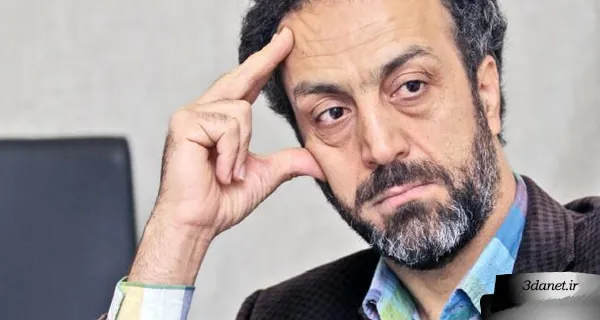
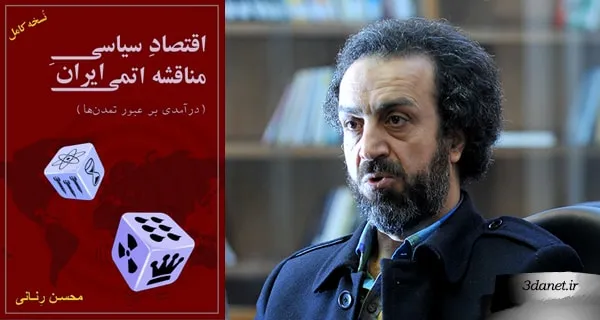
Mohsen Renani: The article “Order Breaker in the Breach” was in fact an introduction I wrote at the request of the translators for the first edition of the translation of the book In the Shadow of Violence (written by Douglass North and colleagues, translated by Dr. Mohsen Mirdamadi and Mohammad Hossein Naimipour, Rowzaneh Publishing, 2016). But for reasons—which remain unclear to me—the esteemed publisher decided against including it at the beginning of the book. That text was recently published in issue 40 of Darchicheh magazine, which can be read in the file below (and, of course, from now on, anyone who wishes to be an activist in Iran’s political sphere must first read the book In the Shadow of Violence).
A point I did not state explicitly in the article, but which I believe must now be made clear, is that the prudent and expediency-seeking figures of the two main factions present in Iran’s political sphere should not allow next year’s elections to turn into a “double zugzwang game,” in which case there is a risk of a lose-lose situation (even when one side wins in practice, in reality, and based on national interests, both sides have lost). The danger of the double zugzwang game is that each party to the game that enters a zugzwang situation may, in order to leap from the zugzwang point, engage in dangerously unpredictable behavior that could disrupt the entire game. Iran’s political atmosphere is currently engaged in a grinding game, which is, however, not fragile. Although this game is “grinding” and costly, we must not allow it to become “fragile.” What is dangerous is the game “becoming fragile.” In fragile games, conditions move toward “anything is possible,” and for a country that is currently grappling with major crises such as deep recession and widespread unemployment, extensive slum-dwelling, tragic addiction, critical water scarcity, black corruption, and debilitating inefficiency, moving toward conditions of “anything is possible” is akin to dancing on a tightrope.
If our economy did not boom in the post-JCPOA era, it was because both domestic and foreign investors “felt” that, despite the nuclear agreement with the outside world, the current game in Iran’s political sphere has apparently not yet become a “stable and rational game,” and at any moment, a “foul” by one of the players from one of the political teams could push the game into a “fragile state.” I have said it many times before, and I repeat it now: as long as this current unstable situation exists in the domestic political sphere—that is, a situation where we might enter a fragile state any day due to an incident—the economy will not “truly” emerge from recession; although, with increased oil exports and the injection of some unfrozen funds, a “sense of stirring” and an increase in production and income may arise in some economic sectors. But the story of entering a phase of prosperity, the result of which is greater job creation, is a different story. Yes, our economy may now, through the injection of money (whether by printing money or by the inflow of unfrozen capital), show signs of “production growth,” but “production growth” and “employment growth” are two different categories. We now need employment growth; otherwise, by increasing the extraction and sale of more oil, we can show that production has risen.
Therefore, I emphasize once again that if, in the coming months, the country re-enters the critical tensions that preceded the elections, the economy will retract even these weak signs of “production growth” that have appeared in some sectors, retreat, and the recession will deepen. On this basis, my suggestion is that Mr. Rouhani not postpone the decision to enter or not enter the next election. By postponing this decision, the efforts of his radical opponents to dissuade him will continue, and each day they will push the political atmosphere further toward fragility and frighten away economic capital more. On the other hand, moderate principlists should also not leave their decision to the last minute. As long as moderate principlists have not made their decision, the radicals will try to seize control of the atmosphere by creating tension and once again lead us toward fragile conditions. Therefore, if the rationalist principlists cannot reach a consensus on their candidate now, the least they can do is officially announce which candidates they will not support, so that at least those with the capacity to create tension consider themselves defeated from now on and calm down. Although it is desirable for the principlists to introduce their candidate now as well, so that the political game’s atmosphere is freed from ambiguity. And of course, the best course of action is for the elders of the two factions to sit down and reach a consensus on some general principles for entering and competing in the upcoming elections. If they do this, “perhaps” we can say that “national interests” still have a place among the country’s political actors, and we can claim that in the country’s two main political factions, we also have “patriotic” politicians.
.
.
Download the PDF file of the article “Order Breaker in the Breach” in Daricheh Magazine, Issue 40
.
.
Order Breaker in the Breach
Source: Daricheh Quarterly
Author: Mohsen Renani
.
.

Discussion1 comments
نه هر کو نقش نظمی زد کلامش دلپذیر افتد ... کلا مناظره با چوپانان خالی از لطف نیست, چه با زبان دراماتیک مولانایی که موسی و شبان را مصور میکند و چه از زبان طنز و فکاهی عامیانه. مثلا گویند خبرنگاری طی مصاحبه ای از چوپانی پرسید که اینهمه گوسفندان را شبها کجا نگه میداری؟ گفت: منظورت کدامهاست سفیدان یا سیاهان ؟! گفت مثلا سیاهان. پاسخ داد که آنها جایشان در طویله ست. پرسید: پس سفیدان را کجا؟! پاسخ: آنان را هم همانجا. دوباره متعجبانه پرسید که غذایشان چه میدهی؟ پاسخ: سیاهان یا سفیدان؟! گفت مثلا حالا سفیدان را؟!. پاسخ: غذایشان یونجه میدهم. پرسید: مگه غذای سیاهان چیه؟! گفت آنها را هم همان دهم. خلاصه چندین سوال و جواب بدین روال رد و بدل گشت. بلاخره خبرنگار بستوه آمده و عصبانی شد که مرا مسخره میکنی؟! چرا همش سیاه و سفید میکنی؟! جواب داد که آخه گوسفندان سیاه مال خودمه هااا. خبرنگار ایندفعه با خوشحالی پرسید: آهان چه جالب! پس سفیدها مال مردمه؟! گفت: نه بابا، اونا هم مال خودمه !!! شاید همه چوپانان به خوش شانسی مصاحبت با انبیا نیستند تا از دمشان فیض پذیرند و لذا اکثرا دچار اعوجاجات روحی و ذهنی میشوند از شدت فقر و انسداد محیطی یا ژنتیکی. ۲_ گویا وضعیت داخلی جهان سومی ها شبیه نوعی رقابت بخور تا خورده نشوی، گشته. بدین معنی که هر فردی که دل و دماغ غارت از هموطنانش را داشته و تا خرخره سرمایه ای انباشته و نهایتا مهاجرت خارجی میکند تا به جهان وطنی ها ملحق شده و بقیه عمرشان را در صداقت و شرافت جدیدی سپری کنند. گویا چپاول داخلی، پیش آزمون تابعیت خارجی ست. درواقع نظم شکننده موجود برای چنین کارکردی تعبیه شده.