Sociology
The Tribulations of the Chador and the Turban
The killing of clerics and the insecurity of women in chadors show that in a religious state, symbols of piety become targets for public anger at the regime. This situation has raised the costs of being religious and transferred the pattern of violence from the state to society.
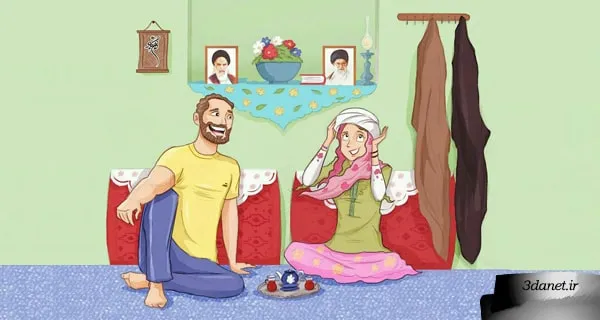
This morning began with bitter news: «Mohammad Tavallaei, a young seminary student who had been the target of an assassination attempt a few days ago in Mashhad, has died from the severity of his injuries.» This is the latest in a series of attacks on clerics in recent months. Following a cleric who was shot dead in Shiraz in November 2017 and another who was stabbed in the Tehran metro that same month, this is the third case to result in the victim's death.
Earlier, in a note titled «Opening or Impasse», I had written: «In a religious state, believers are unwillingly placed in the position of justifying the actions of the government and the state. The greater the distance between the people and the rulers, the more pervasive this labeling becomes. The image the state has constructed is this: power is in the hands of the believers. Therefore, those who bear the marks of religiosity are naturally more powerful and more responsible for the existing conditions. Society—unjustly, of course—expects believers to be the voice of the state and to answer for its demands. There is no easier target than believers. Specifically, those with overt and visible signs of religious affiliation. Perhaps one can scarcely find a cleric or seminary student in these years who has not been subjected to the criticisms of ordinary people in the streets and bazaars regarding the economic situation and the inefficiencies of various parts of the system. (Naturally, a cleric or seminary student whose path passes through the streets and bazaars and is accessible to the public.) Perhaps one can scarcely find a chador-wearing woman upon whom the dissatisfaction of others with the government has not been imposed in the form of verbal harassment. The irony is that, as it happens, believers who have benefited the least from privilege and power usually find themselves in such situations more often. Because the living conditions of the beneficiaries are typically such that they have more limited contact with the body of society and appear less in the public sphere (a rentier, hothouse existence).» And I had written: «In the eyes of society, believers are responsible for all the actions of the government and the state. Society's tongue is sharp against the religious. And this is amplified especially in the government's religious conduct. ... One perhaps cannot expect the angry outcasts of the government's religious policies, in that emotional state, to be capable of distinguishing between the religious state and believers.» And I had written about how this very situation creates a sense of insecurity for the body of believers and drives them—the «seemingly powerful defenseless»—toward seeking refuge in safe, exclusive shelters; in colonies; in hothouses.
The experience of the Islamic Republic has shown that in a religious state, the mass of believers (not the holders of religious power) are among the weakest and most vulnerable segments of society. Contrary to perception, the state's attribution to religion has not created power for the body of believers, except for a limited number; on the contrary, due to the state's intervention in religious affairs, it has even diminished the previous social power and capital of the religious community in some instances. (I suggest reading the book «The Voice That Was Not Heard»—a study of social indicators in the years before the revolution—to see what has happened to the social standing of religion and believers over these years.)
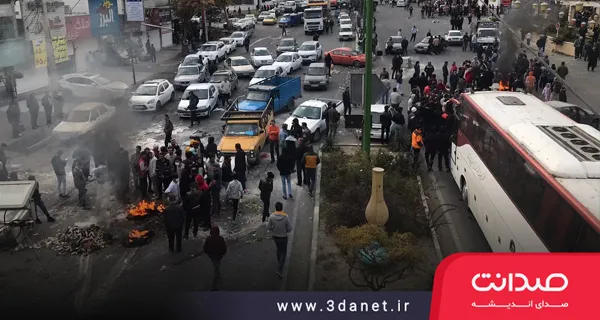
I say this based on my own observations and personal experiences: in recent years, the number of young chador-wearing women who have changed their hijab from the chador to a manteau and headscarf has increased in a quite noticeable way. My intention is not to make a value judgment about the chador, and I personally believe in the diversity of hijab styles (even in the design and color of the chador). But these scattered observations are a warning sign. Another sign is the growing number of young clerics who prefer (or, to be more precise, are compelled) to be "amphibious." That is, to move about in public thoroughfares and places in civilian clothes. In all fairness, it requires great courage in today's society for a woman in a chador or a seminarian in clerical garb to walk through streets and alleys, in taxis and the metro. In other words, the costs of wearing the chador and the turban have reached their highest level. Costs produced by the experience of religious rule. Yes; at certain junctures under the previous regime, bearing the overt signs and symbols of religiosity also entailed risks. But with this difference: if under the Pahlavi era the source producing the danger was the institution of the state, in the era of the Islamic Republic this source has been transferred to society. If during Reza Shah's time, the turbaned cleric and the chador-clad woman had no respite from the gendarme and the police officer, today they feel threatened by ordinary people in the street and the marketplace. The pattern of violence has shifted from "state–people" to "people–people." And this is the worst thing that could have happened. To the list of warning signs about the religious situation, other cases can be added: from the rising rate of openly eating in public during Ramadan, to unprecedented attacks on religious gatherings and holy places (such as the assault on and burning of several mosques and husseiniyehs in Tehran during the unrest in December 2017), and the explicit insults and unprecedented desecrations we are witnessing these days against the most sensitive sanctities of the Shiites, namely the Imams and especially Imam Hussein, and the fact that, aided by social media, these insults are rapidly multiplied, and this very multiplication gradually erodes the ugliness of violating sanctities among the body of ordinary people. (Like the explicit and insolent insult by a famous underground singer whose two-person photo with the custodian of the Astan Quds Razavi — out of greed for a few more votes — made news during last year's presidential election.)
The chain of these events and signs speaks of a bitter reality. That we, the religious, are standing on the threshold of a difficult and exhausting period. A period of anti-religious rebellion and hostility toward religion. As if four decades of sowing the wind have passed, and now the season of reaping the whirlwind has begun. A ruthless and uprooting whirlwind, and it is not clear what calamity it will bring upon religion and the religious. If until now, by the force and coercion of state power, society was outwardly safe and calm for the religious, the evidence shows that the period of comfort has ended and the religious must prepare themselves for difficult days.
.
.
The Tribulations of the Chador and the Turban
(The Victimization of the Symbols of Religiosity under Religious Rule)
Author: Mohsen Hesam Mazaheri | 21 September 2018
.
.

Discussion14 comments
سلام وقت بخیر نادانی انسان چیز جدید نیست و از دیرباز تا کنون بوده و مشکل آفریده چیزی که بدان اشاره نشد همین بود البته موضوع نوشته هم نبود ولی بسیار خوب بود که به آن اشاره میشد چون از علت های مهم این حوادث است.
دین تاوان عقب ماندگی سیاسی را می دهد و جور ناکارآمدی و مسئولیت گریزی دیگر نهادهای اجتماعی را می کشد . شاهد بودم که دین سالاران آگاه و دوراندیش از قرار گرفتن در این موضع خشنود نبودند و در برابر وقوع آن مقاومت کردند . به گمانم تا وضعیت ما درست و همه جانبه تبیین نشود ، راه برون رفت از تنگناهای کنونی فراهم نمی شود ؛ پاک کردن صورت مسئله و انداختن بار مسئولیت روی این یا آن باند و جناح و جریان ، البته شیوه مرسوم است و پیرو فراوان دارد .
در گذشته در ایران نوع پوشش افراد را جدا نمی کرد مادرم تعریف میکرد در مدرسه و همسایهها و فامیل همه با هم بدون توجه به نوع پوشش رفت آمد میکردند . در مراسم های هم شرکت میکردند .اما چند سالی در کشور ما این فرهنگ بد ایجاد شده .چادری و غیر چادری ما ایرانی هستیم و باید بدون توجه به پوشش و مذهب در کنار هم باشیم این تفرقه ها ما را بدبخت کرده و یک سری سیاست مدار با هر روشی که میخواهند ما را اداره میکنند.
موبایل و اینترنت و استاد فلسفه روشنفکر چی؟
جهان مدرن نیاز به سرکوب گرایشات غیر مدرن دارد. به قول هورکهایمر و آدورنو مدرنیته با وعده آزادسازی و لیبرالیسم و رهایی بخشی خود را معرفی کرد و با وعده هایش همه صحنه را مالاخود کرد و پس از مسلط شدن بر جوامع تمامی رقبا را با بیرحمی تمام سرکوب قتل عام کرد. مدرنیته با هیچ سنت فکری دیگری همنشینی نمی تواند داشته باشد . بالاخره آن را با فریب سرکوب می کند.این تلاش برای سرکوب اندیشه عمیق اسلام با کلام شیرین و در این نوشته بالا با تعمیمی افراطی و تهدید و ترساندن مسلمانان ناکام مانده و ناکام خواهد ماند. همانطور که یک طلبه ساده مدرنیته محمدرضا شیفته آمریکا را متلاشی کرد اسلام نیز لیبرالیسم را رسوا کرده و فاشیسم مخفی در پس حرفهای قشنگ ولی فریبنده اش را آشکار می سازد. همانطور که ایالات متحده داعش آمریکایی به جان شیعیان مسلمان انداختند ْ ترامپ هر ثانیه تهدیدی و تحریمی جدید علیه مسلمانان اعلام می کند این جلوه رفتار متهاجم و میلیتاریست لیبرالیسم است.
اسلام هم در بدو شکل گیری و قدرتش همه جا را تصاحب کرد و دینها و منشهای مختلفو از بین برد اشکال از مدرنیته و اسلام نیست از انسانه
1. تعداد خانمهای چادری و تعداد خانم های روسری پوش را چطور آمار گرفته اید؟ بفرمایید؟ 2. دین دار به سبب وجدان اخلاقی و مسئولیت اجتماعی با یک فرد مصرف گرای طرفدار تجدد مدرن تفاوت دارد و طبیعی است که هزینه دهد. 3. دینداران در تمامی تاریخ تحت فشار هستند. 4. آن چه شما دین فرض گرفته اید همان نسخه conversionاسلام است که "باید" به دستور مالکان رسانه ها و ثروت در دنیا با مدرنیته فاشیست-لیبرال- کمونیست و...خود را تطبیق دهد. تصورات خود را به همه تعمیم داده اید. به جای زندگی در دنیای واقعیات آرزوهای خود را بیان کرده اید. اسلام را نه از دانشگاه هاروارد و کمبریج آن را از منابع و آتاریتی خودش مطالعه بفرمایید. اسلام مدرنیزه شده اسلام نیست بین سلمانْ محمدرضا شاهْ ْ رضا شاهْ ،ؤ اتاتورک و سکولاریسم است . فراماسونری است. اسلام مداراْ، گذشت، انسانیت، خدا باوری ، دغدغه مردم داشتن است. نه غرور سروشیْ ، سکولاریسم اتاتورکیْ ، ژروتستانیسم شریعتی، .. اسلام اسلا م است : دین رحمه للعالمین گذشت مهربانی احترام و نه در برابر فاشیسم نترسیدن از تهدید ترامپ و وجدان به خرج دادن و مورد اتهام قرار گرفتن آوینی : حزب اللهی بودن را با تمام مصائبش دوست دارم اگر توهین کنند آزادی بیان است ، اگر انتقاد کنی دیکتاتوری و خشونت است اگر از خود دفاع کنی خشونت است اگر به تو حمله کنند تظاهر احساسات سرکوب شده، اگر مردم به حزب الهی رای دهند مردم عقب مانده و بیسواد ند اما اگر به آن ها رای دهند دموکراسی است!
دلم برای آقای مظاهری کباب شد جلوی انتشار کتابهاش رو گرفتن، سخنرانی هاشو لغو میکنند، اصلا از در خانه که خارج میشه با سنگ و کلوخ میزنن تو سر و کله اش، در محل کارش به خاطر عقایدش طردش کردند آقای مظاهری این قبیل مظلوم نمایی ها در عین انتفاع حداکثری از وضعیت موجود کار بسیار زشت و زننده ای است
سلام و درود لطفا با فقط با یک نام کامنت بگذارید
زدی ضربتی ضربتی نوش کن
وقتی از منافع ناعادلانه بهره می برند ممکن است مصائب هم رخ دهد. در تمام استخدام های دولتی نقش پدر و همسر عمامه ای و یا چادری بودن یا نبودن غیرقابل انکار است. مصائب مردم عادی که این نمادها را ندارند بی شمار است.
مریم عزیز من چادری ام و تا کنون در همه گزینشها از گزینه آموزش و پروش و صدا و سیما گرفته تا آموزش عالی رد شده ام. نمی توان به سادگی قضاوت کرد که هر که دیندار است لاجرم از منافع حاکمیت برخوردار. ممکن است آن زن دیندار چادری بیش از یک سکولار منتقد نظام حکومتی دینی باشد و حق خود بداند که دین و تکالیف دینی اش را هم ارز نظام سیاسی نداند که حقوق بسیاری را پامال کرده است. باید بیاموزیم که ملاک داوری و ارزیابی دیگران ظاهر آنها نیست.
این هم از آفتهای حکومت دینی است. برای همین هم بود که علامه طباطبایی از همان ابتدا با برقراری حکومت اسلامی مخالف بود و آفتهای آن را نیز ذکر کرد. این یکی را هم به آن لیست اضافه کنید.
مگر حکومت غیر دینی هم داریم؟ governance در سکولار ترین تعریف و manifestation خود علم نیست در برابر دین بلکه دینی دیگری است در برابر دین. با این تفاوت که متافیزیک فربه تری دارد!