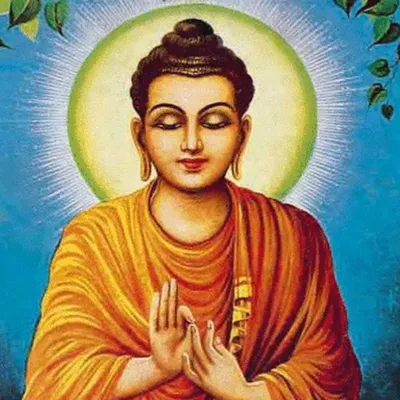
Foreign thinker
Gautama Buddha
Gautama BuddhaPhilosophy and BuddhismAncient Indian563–483 BCE
"Peace comes from within; do not seek it without."


Life and Thought
Gautama Buddha was the founder of Buddhism and one of the most influential spiritual and ethical teachers in Asian history. Through teachings such as suffering, impermanence, liberation from attachment, and the Middle Way, he established a tradition that deeply influenced philosophy, ethics, meditation, and cultures across Asia and the world.
The title Buddha means “the awakened one” and usually refers to Siddhartha Gautama, a prince of the Shakya clan. Although the exact dates of his life are debated, most scholars consider him a historical figure in ancient northern India around the sixth to fifth centuries BCE. According to traditional accounts, he left his privileged life after encountering old age, illness, death, and human suffering, seeking a path toward liberation.
After a period of severe ascetic practice, Buddha discovered the Middle Way between indulgence and self-mortification and, according to Buddhist tradition, attained awakening at Bodh Gaya. His central teaching is expressed in the Four Noble Truths and the Eightfold Path.
Buddha’s teachings were initially transmitted orally and later collected in works such as the Tripitaka. Concepts including impermanence, non-self, interdependence, and liberation from attachment became central to Buddhist traditions.