Foreign thinker
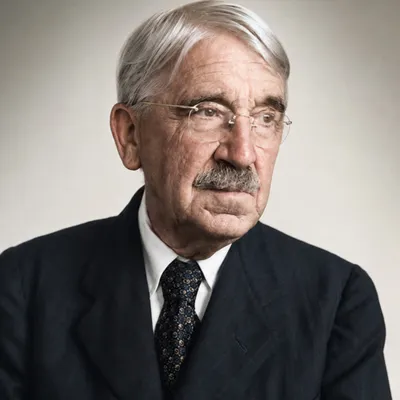
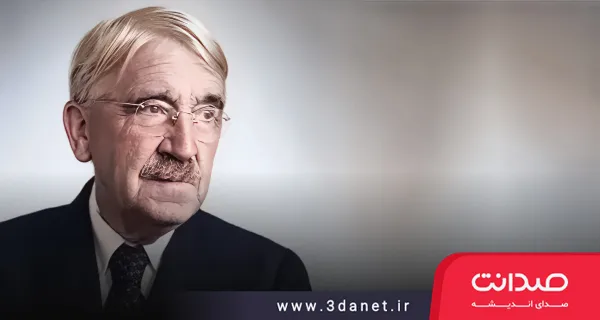
John Dewey
John DeweyPragmatism and philosophy of educationAmerican1859–1952
Democracy must be born anew in every generation, and education is its midwife.


Life and Thought
John Dewey was an American philosopher, psychologist, and educational theorist, and one of the central figures of pragmatism. By connecting philosophy, democracy, experience, and education, he had a wide influence on philosophy of education, social theory, and twentieth-century political thought.
John Dewey was born in the United States in ۱۸۵۹ and died in ۱۹۵۲. He taught at universities such as Chicago and Columbia, and alongside Charles Sanders Peirce and William James, he is regarded as one of the central figures of American pragmatism. Dewey did not see philosophy as separate from life, but as a tool for addressing real human and social problems.
Experience has a central place in Dewey’s thought. He believed that knowledge arises from the active interaction between human beings and their environment, and that thought becomes meaningful when it is tested in action and problem-solving. For this reason, his philosophy is closely connected to science, education, politics, and ethics, and emphasizes growth, experimentation, dialogue, and the continuous reconstruction of human experience.
Dewey also played a foundational role in philosophy of education. He did not regard education merely as preparation for the future, but as the very process of life and democratic participation. Works such as Democracy and Education, Experience and Nature, Art as Experience, and Liberalism and Social Action show that his intellectual project rests on the connection between freedom, democracy, experience, and social reform.


.webp)