In their times
Open in the Timeline of Thought


Life and Thought
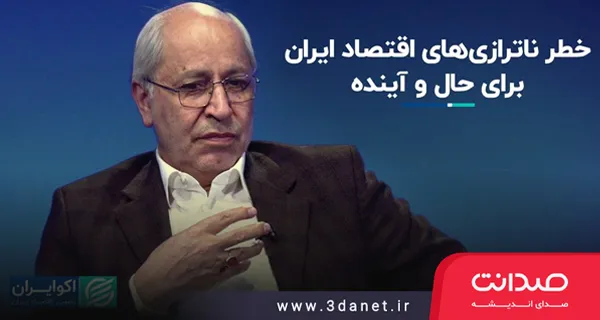
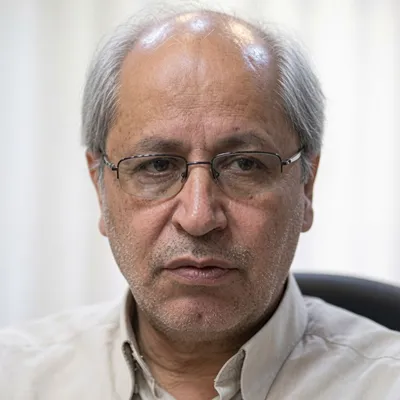
Masoud Nili (born 1954) is an economist and retired professor at Sharif University of Technology. He has been an influential figure in Iran's economic policymaking and was a member of the macroeconomic team during the eleventh and twelfth administrations.
Masoud Nili, born on February 14, 1955, in Hamedan, is an economist, retired university professor, and one of the influential figures in Iran's economic policymaking. He received his bachelor's degree in structural engineering from Sharif University of Technology, a master's degree in economic systems planning from Isfahan University of Technology, and a PhD in economics from the University of Manchester in England.
Nili was a faculty member at the School of Management and Economics at Sharif University of Technology for many years and served for a time as the head of the university's economics department and faculty. He has also served as the president of the Institute for Management and Planning Studies, known as the Niavaran Institute.
Nili defines himself within the framework of conventional or mainstream economics. His main areas of work are macroeconomics, the Iranian economy, development planning, monetary policy, economic growth, industrial development, and political economy.
In the policymaking arena, his name is intertwined with development plans, economic reforms, inflation control, the discussion of Iran's economic mega-challenges, budget structure reform, the banking system, low growth, unemployment, the energy crisis, and the issues of water and the environment. He is among those who have tried to explain the problems of Iran's economy not as isolated issues, but as a set of "mega-challenges."
Nili has collaborated with the Plan and Budget Organization at various times and played a role in drafting some five-year development plans. In different administrations, particularly those of Hashemi Rafsanjani, Khatami, and Hassan Rouhani, he served as an advisor, deputy, or member of the economic team. During the eleventh and twelfth administrations, he was also one of the key figures on the government's macroeconomic team.
Of course, his policies and recommendations, especially regarding inflation control, interest rates, monetary policy, debt securities, and foreign exchange policy, have had serious proponents and critics. Some consider him a technocratic and plan-oriented economist, while others have accused him of promoting stagnation or of contradictions in his policy recommendations.
Bibliography
Writings and transcribed lectures9 titles
Iran's Economy: How to Overcome the Major Challenges
Iran's Economy and the Enigma of Underdevelopment
Where Is Iran's Economy Heading?
The State and Economic Growth in Iran
Economy and Social Justice
The Experience of Industrial Development in the World
Planning in Iran: 1937–1977
Productivity of Iran's Industry: An Examination of the Competitiveness of Industrial Firms
Foundations of Economics