Political Science
Lectures on Glenn Tinder's Political Thinking by Mohammad Mehdi Mojahedi
Mohammad Mehdi Mojahedi examines Glenn Tinder's Political Thinking in a series of audio sessions—a conversation on the fundamental questions of political thought, from why we think to issues such as equality, estrangement, power, and obedience.
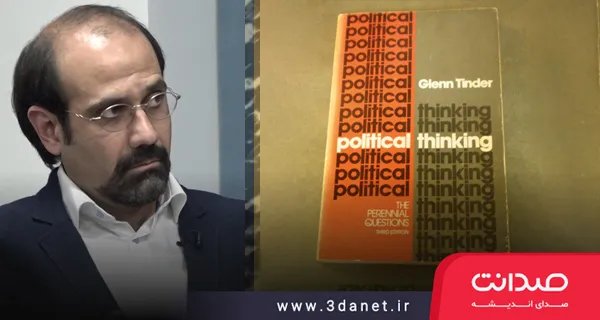
Mohammad Mehdi Mojahedi: On Tuesdays at 22:30 Tehran time, we will discuss and examine "Political Thinking," an instructive and problem-oriented book about the perennial and fundamental questions in political thought, over eight sessions. This link leads to those sessions. The electronic version of the Persian translation of the book "Political Thinking" can be found at this link on the Fidibo e-reader.
.
.
Organized by The New Perspective Circle
Instructor: Mohammad Mehdi Mojahedi
.
.
Session One
These are the main questions guiding our discussion of the first chapter of the book:
- Given that the fundamental questions in political thought have no definitive or final answers, why should one engage with political thinking? In other words, why is political thinking worth the trouble?
- Is there any shortcut for civic life that allows us to avoid confronting the fundamental questions in political thought?
- Does thinking about fundamental political questions make us better human beings? Put differently, what liberating element exists in political thought?
Direct download of the audio file
.
Session Two
These are the main questions guiding our discussion of the first chapter of the book:
- Given that the fundamental questions in political thought have no definitive or final answers, why should one engage with political thinking?
In other words, why is political thinking worth the trouble?
- Is there any shortcut for civic life that allows us to avoid confronting the fundamental questions in political thought?
- Does thinking about fundamental political questions make us better human beings?
Put differently, what liberating element exists in political thought?
Direct download of the audio file
.
Session Three
These are the main questions guiding our discussion of the second chapter of the book:
- Are human beings inherently estranged from one another?
- If not, why is there so much division and conflict among them?
- Can estrangement be overcome through reason?
Direct download of the audio file
.
Session Four
These central questions guide our discussion of the second chapter of the book:
- Do we need religious faith to overcome alienation?
- Must all people be united in a single, global community?
- Must all class distinctions be abolished?
Direct download of the audio file
.
Session Five
- Are human beings inherently unequal?
- If some humans are inherently superior to others, how and by whom can they be identified?
- If humans are inherently equal, are all conventional inequalities unjust?
- If all conventional inequalities were eliminated, would any trace of freedom remain?
- If all conventional inequalities were erased, would the mark of separation be lifted?
- Should men and women always be considered the same in every respect?
Direct download of the audio file
.
Session Six
- Are human beings inherently unequal?
- If some humans are inherently superior to others, how and by whom can they be identified?
- If humans are inherently equal, are all conventional inequalities unjust?
- If all conventional inequalities were eliminated, would any trace of freedom remain?
- If all conventional inequalities were erased, would the mark of separation be lifted?
- Should men and women always be considered the same in every respect?
Direct download of the audio file
.
Session Seven
⁃ If conventional inequalities were entirely eliminated, would the mark of separation be lifted?
⁃ Should women and men always and in every respect be considered equal?
Direct download of the audio file
.
Session Eight
- Can order have a source other than power?
- Who should govern?
- If government belongs to the people, should they govern themselves or through their representatives?
- Is having power good?
- Should one obey? Why?
.
Session Nine
- Who should govern?
- If government belongs to the people, should they govern themselves or through their representatives?
- Is having power good?
- Should one obey? Why?
.
Session Ten (Final)
- Is having power valuable?
- Should one obey? Why?
.
.

Discussion1 comments
ممنون از صدانت. ۱) مباحث این درسگفتار که بر اساس کتاب تیندر هست، بسیار کلی هستند. ادعای نویسنده، نشان دادن راه و روش تفکر سیاسی هست. ولی بعید میدونم انقدر کلی حرف زدن و واکاوی نکردن مسائل کمکی به تفکر سیاسی بکنه. برای من که مفید نبود. شاید برای کسی که به کلیات ساده ی موضوعات اجتماعی راضی میشه، خوب باشه. ۲) میشه هر جلسه رو در زمان بسیار کمتری تموم کرد. یک موضوع کلی مطرح میشه و چون وارد جزئیات (حتی یک مرحله) نمیشه، به تکرار می افته و بی سبب جلسه طولانی میشه. ۳) تنوع دیدگاه های مخالف نویسنده، بین حضار وجود ندارد. قطعا اگر منتقدان دینی یا طرفداران لیبرالیسم در این جلسات بودند، یه کم بحث ها چالشی تر می شد. ۴) در هر جلسه، تقریبا سی چهل بار بین اساتید حاضر تعارفات بی جا رد و بدل میشه و اصطلاحا مدام برای هم نوشابه باز می کنن. از جهتی این حد از احترام گذاشتن خوبه. ملوسه. ولی از طرفی حوصله سربر هست و زیادی ایرانی. ۵) نکته ی غم انگیز اینجاست که همین بحث های کلی که به نظر تکراری میاد و برای حکمرانان هر مملکتی راهگشاست، دیده و شنیده نمیشه. اینکه بدونن حقیقت و پاسخی نهایی برای مسائل جوامع وجود ندارد. مطلق نباشید.