Iranian thinker
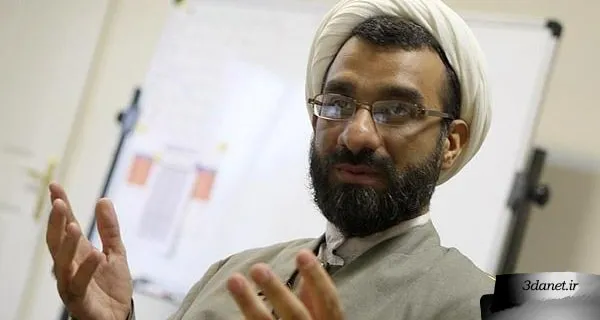
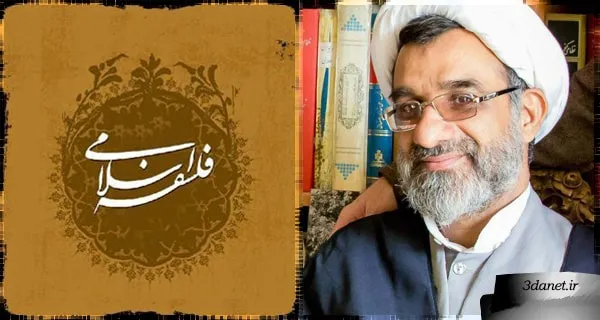
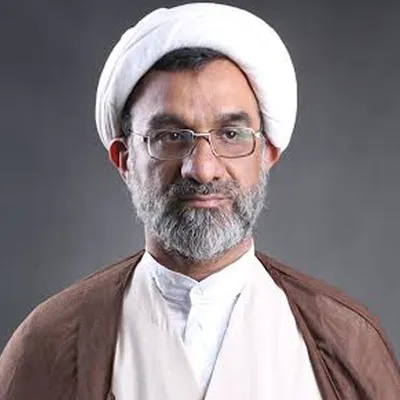
Abdolhossein Khosropanah
Abdolhossein KhosropanahIslamic Philosophy, Modern Theology, and Islamic HumanitiesIranian
Life and Thought
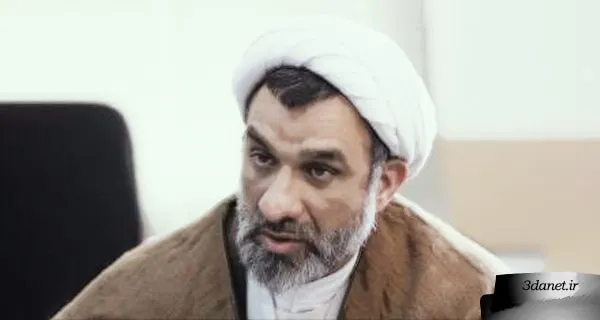
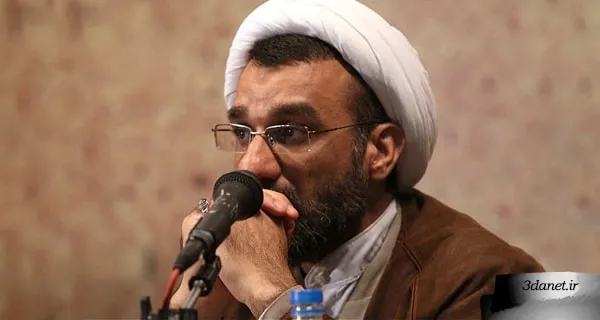
Abdolhossein Khosropanah is an Iranian cleric, lecturer, and author in the fields of Islamic philosophy, modern theology, philosophy of religion, and Islamic humanities. Since 2022, he has served as the Secretary of the Supreme Council of the Cultural Revolution, and previously headed the Iranian Institute of Philosophy and held positions at the Institute for Islamic Culture and Thought and the Islamic Azad University.
Abdolhossein Khosropanah was born in 1966 in Dezful and pursued his seminary studies in Dezful, Yazd, and Qom. He has worked in the fields of Islamic philosophy, modern theology, philosophy of religion, epistemology, and the relationship between religion and the humanities, holding numerous positions in educational and research institutions of the Islamic Republic of Iran.
Khosropanah is a prominent advocate of 'religious science' and 'Islamic humanities.' His writings and lectures pursue the idea that the humanities are not merely a collection of neutral data and methods, but are linked to philosophical, anthropological, and value-based foundations. Therefore, one can speak of the possibility and necessity of formulating the humanities based on Islamic foundations.
As an author and lecturer, he has published works on the philosophy of religion, modern theology, intellectual trend analysis, Islamic philosophy, religious studies, and the relationship between the Islamic tradition and contemporary humanities. Central themes of his work include the critique of secularism, the defense of religious rationality, the Islamization of the humanities, applied philosophy, and the relationship of religion with politics and culture.
Khosropanah has headed the Iranian Institute of Philosophy, a period during which he faced criticisms and controversies regarding the institute's management, institutional changes, and the quality of some of his scholarly works. In recent years, his name has also been at the center of public debate due to his role in the Supreme Council of the Cultural Revolution and his stances on universities, culture, and educational policy.
In January 2023, he was appointed to the secretariat of the Supreme Council of the Cultural Revolution. This position shifted his status from a seminary-academic author and researcher to one of the official figures of cultural and educational policymaking in Iran. The assessment of his intellectual standing is usually made in relation to the project of Islamic humanities, contemporary Islamic philosophy, and the cultural policy of the Islamic Republic.