Foreign thinker
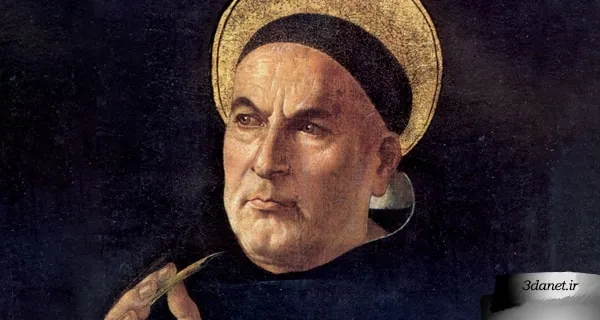
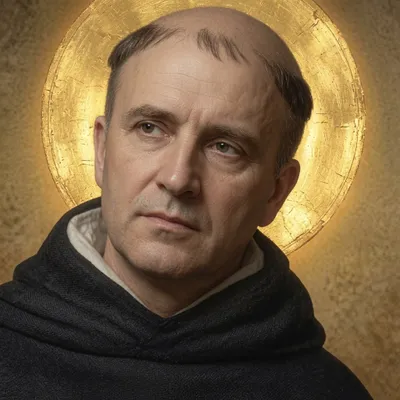
Thomas Aquinas
Thomas AquinasPhilosophy and TheologyItalian1225–1274
To one who has faith, no explanation is necessary. To one without faith, no explanation is possible.





Life and Thought
Thomas Aquinas (c. 1225–1274) was an Italian philosopher and theologian, and one of the most prominent figures of Christian thought in the Middle Ages. By synthesizing Aristotelian philosophy and Christian theology, he had a profound influence on philosophy, ethics, and religious education.
Thomas Aquinas, born around 1225 and died in 1274, was an Italian philosopher and theologian, and one of the most important figures of Christian thought in the Middle Ages. He holds a prominent place in the Catholic intellectual tradition and is renowned for his effort to synthesize Aristotelian philosophy with Christian theology.
Aquinas was a member of the Dominican Order and spent a significant part of his life studying, teaching, and writing in the fields of philosophy, theology, ethics, and metaphysics. In his works, he sought to demonstrate that reason and faith are not necessarily opposed to one another, but can be two different paths toward approaching the truth.
His thought focuses on topics such as the existence of God, the soul, ethics, natural law, virtue, knowledge, justice, and the human relationship with the ultimate good. His Five Ways for proving the existence of God are among the most famous arguments in the history of Western philosophy and theology. Aquinas was also influenced by Muslim and Jewish philosophers, including Avicenna and Averroes, and engaged in dialogue with various intellectual traditions in his works.
The cultural significance of Thomas Aquinas lies in the fact that he linked the philosophical tradition of ancient Greece, particularly Aristotle, with medieval theological thought, creating an intellectual system that remained influential for centuries in philosophy, theology, ethics, and religious education.
Bibliography
Writings and transcribed lectures12 titles
Introduction to Theology or Summa Theologica
Summa contra Gentiles, known as the Book on the Truth of the Catholic Faith against the Errors of the Unbelievers
On Existence and Essence
On Truth
Commentary on Aristotle's Metaphysics
Commentary on Aristotle's Nicomachean Ethics
Commentary on Aristotle's De Anima
Debated Questions about the Power of God
Questions Under Discussion About Evil
Commentary on Boethius's Treatise on the Trinity
Commentary on the Book of Causes
Philosophical and Theological Letters and Short Treatises