Philosophy
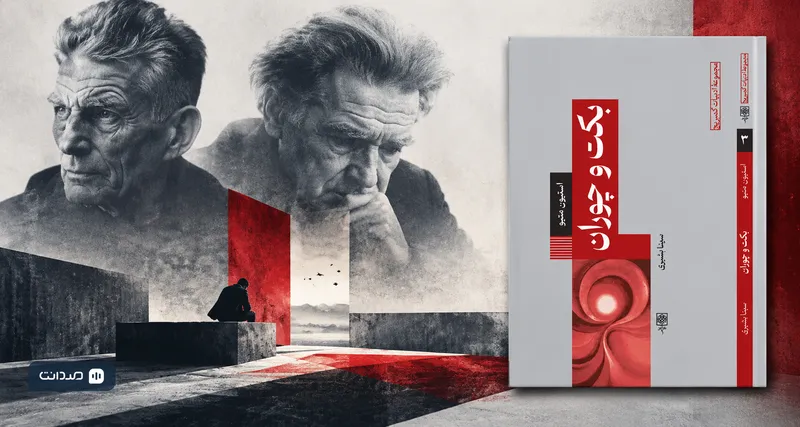
Book Launch for Steven Matthews's "Beckett and Cioran"
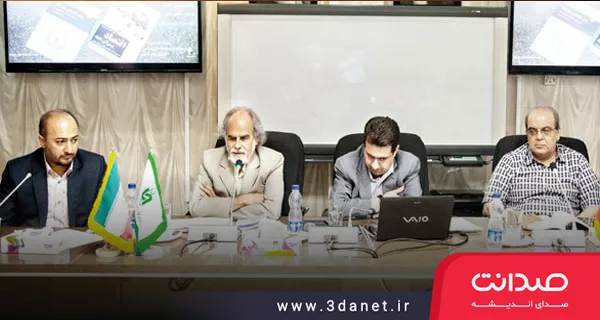
The launch of Steven Matthews's "Beckett and Cioran" offered a chance to examine the intellectual and literary worlds of two writers who, in different ways, gave voice in their work to suffering, displacement, the crisis of meaning and the instability of identity. In this session, Sina Bashiri and Mohammadzaman Zamani Jamshidi showed how the fracturing of language, silence and literary form can themselves become part of the experience of catastrophe, without necessarily opening a path toward hope or deliverance.
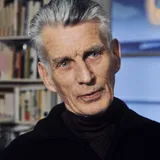
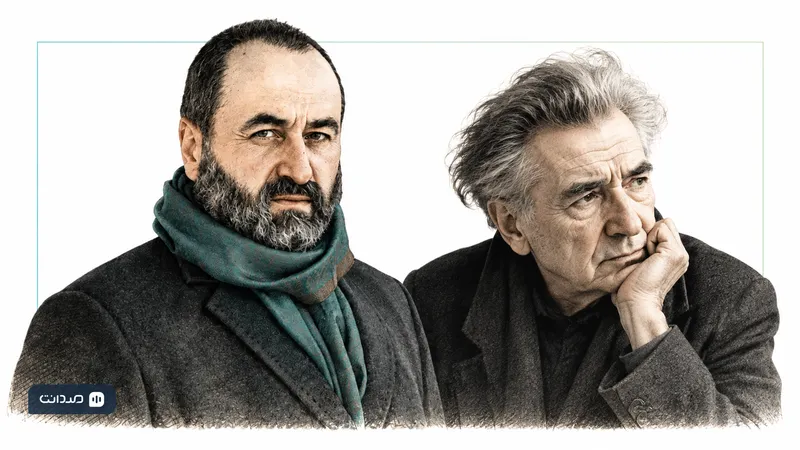
Samuel Beckett
اندیشمند مورد بررسی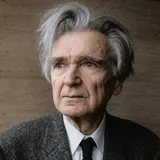
Emil Cioran
اندیشمند مورد بررسی
Steven Matthews
نویسنده کتاب
سینا بشیری
مترجم کتاب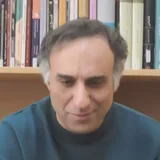
محمدزمان زمانی جمشیدی
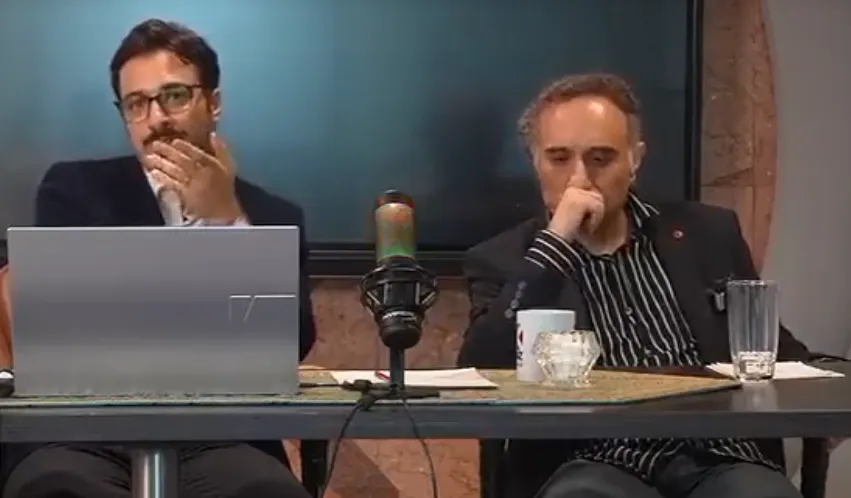
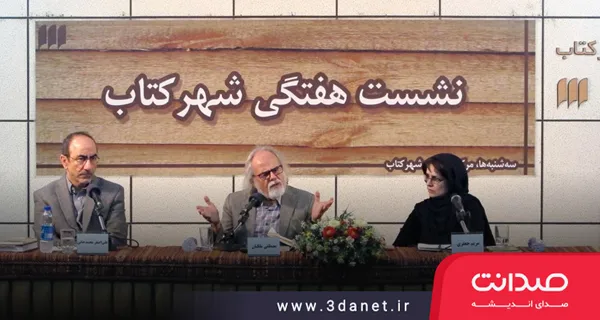
کارشناس حاضرThe eighty-second session of the "City of Iranian Philosophy" series, held on Thursday, 16 Mehr 1405 (8 October 2026), was devoted to the launch of "Beckett and Cioran" by Steven Matthews. In the session, Sina Bashiri, the book's translator, and Mohammadzaman Zamani Jamshidi discussed the intellectual and literary affinities between Samuel Beckett, the Irish playwright and novelist, and Emil Cioran, the Romanian-born writer and thinker. The discussion centered not on proving a direct influence of one on the other, but on reading in parallel two writers who, in different ways, gave shape in their work to similar lived experiences and intellectual preoccupations.
From Lived Experience to the Crisis of Meaning
In the introduction to the book, it was stressed that Beckett and Cioran can be read together on three levels: lived experience and the various forms of exile; pessimism, skepticism and the crisis of meaning; and finally, literary form as a reflection of violence and trauma. In this framework, the similarities between the two writers do not imply that their worldviews were identical; rather, they let us see how historical and personal experience settles into the language and structure of a literary work.
One of the session's key themes was the relation between pathos and logos: that is, between suffering and felt emotion on the one hand, and philosophy's desire to explain, to order and to find a cause for them on the other. At one point in the conversation, the question was raised whether suffering and evil can be justified by a coherent system of thought, or whether we must accept that some experiences resist systematic explanation. In the reading offered of Cioran and Beckett, definitive and consoling answers prove of little help; what remains is to face suffering and to listen to its voice.
Exile and the change of language were another shared feature addressed in the session. Beckett, who came from Ireland, and Cioran, who was born in Romania, both lived in Paris and wrote a significant part of their work in French. In the session's discussion, choosing a language other than one's mother tongue was not merely a linguistic shift; it was seen as a way of distancing oneself from the habits and presuppositions of the first language and of arriving at a certain concision and freedom in writing. In the same context, the experience of insomnia and nocturnal wandering was also raised as part of these two writers' marginal and restless way of life, an experience tied to a sense of estrangement and withdrawal from the established order.
Besieged Characters and Fractured Language
In another part of the session, the world of Beckett's characters was discussed: isolated figures, trapped in a room or closed space, at times unable to move and at times deprived of a continuous memory that might guarantee their identity. Such characters are not only estranged from the outside world; their relation to themselves is also unstable. Memory breaks down, the continuity of identity is called into question, and it is not even clear where the voice the narrator hears comes from. This situation shows the crisis of modern man not as a theory but in the everyday, wearing experience of the characters.
From here the discussion turned to the form of the works. In this reading, broken sentences, unfinished phrases, fading punctuation, fragmentary writing and silence are not merely stylistic choices. The form of the work itself becomes part of the experience of catastrophe: a language that can no longer explain the world with confidence breaks from within and reveals its own incapacity in the structure of the text. Rather than the writer merely speaking about catastrophe, it is as though language itself bears its marks.
To clarify this point, reference was made to the short play "Catastrophe," a work in which a silent figure is exposed to the gaze and the instructions of a director and, at the end, with a small movement and a direct look, maintains his silence. In the session's discussion, this silence was presented as a meaningful element: silence not outside the work, but part of its mode of expression.
Is There Room for Hope in the World of Beckett and Cioran?
The question-and-answer segment was devoted to one of the most contested issues concerning these two writers: does the world of their works end in absolute closure and catastrophe, or can faint signs of hope be found in it? The green leaf that appears on the tree in the second act of "Waiting for Godot" was the example one of the attendees raised in posing this question. Do such details open a chink in the dark world of Beckett, or should they not be turned into a definitive sign of hope?
In response, it was stressed that a writer should not be expected to take on the task of offering hope or a way of salvation. Rather than seeking to console their audience, Beckett and Cioran try to lay bare the human condition in a damaged and unsupported world. From this perspective, going on does not necessarily mean being hopeful; the persistence of life may be an instinctive force, even when a person cannot imagine any ultimate meaning or clear horizon for it. By contrast, the question about the green leaf showed that Beckett's works preserve the possibility of differing interpretations, and that the reader can still debate the weight and meaning of small signs in his world.
Narrating Catastrophe Without Promising Deliverance
What remained most prominent at the end of the session was the emphasis on the link between historical experience, the crisis of meaning and formal choices. In the reading presented, Beckett and Cioran neither necessarily offer a prescription for living nor resolve the contradictions of the world with a promise of salvation. The importance of their works lies in allowing suffering, instability and language's inability to explain experience to confront the audience without being reduced to a simple answer. The closing discussion likewise showed that this dark world, rather than ending the debate, raises fresh questions about hope, silence and the meaning of going on.


Discussion0 comments
No comments yet; let yours be the first voice.