Foreign thinker
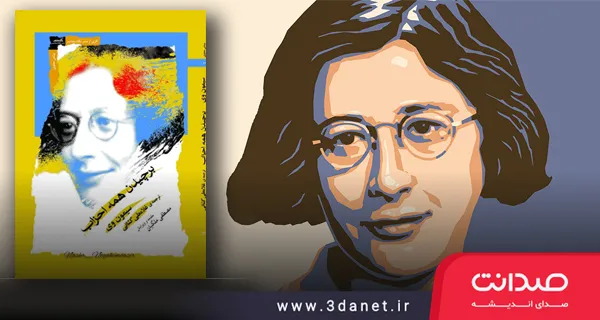
Simone Weil
Simone WeilMoral Philosophy and MysticismFrench1909–1943
Attention is the rarest and purest form of generosity.
In their times
Open in the Timeline of Thought


Life and Thought
Simone Weil was a French philosopher, mystic, political activist, and writer, and one of the most distinctive and influential thinkers of the twentieth century. Her writings forged a profound connection between affliction, justice, labor, attention, faith, and moral responsibility, and she regarded philosophy as inseparable from lived experience and practical commitment.
Simone Weil was born in Paris on 3 February 1909. She studied at the École Normale Supérieure and soon became known as a perceptive philosopher, teacher, social activist, and independent writer.
From an early age, Weil was deeply concerned with the condition of workers, social oppression, and political justice. Seeking firsthand experience of working-class life, she spent a period working in industrial factories and briefly joined the Republican forces during the Spanish Civil War. These experiences deepened her reflections on power, violence, labor, affliction, and human dignity.
Weil’s thought developed at the intersection of philosophy, theology, mysticism, and ethics. She regarded “attention” as one of the highest forms of moral and spiritual action—a state in which one moves beyond self-centeredness and perceives the reality of another person truthfully. Concepts such as affliction, uprootedness, necessity, obedience, decreation, divine love, and justice in a world governed by force occupy a central place in her work.
A significant portion of Weil’s writings was published posthumously. Gravity and Grace, The Need for Roots, Oppression and Liberty, Waiting for God, and her Notebooks are among her best-known works. For many contemporary thinkers, Simone Weil exemplifies a philosopher who admitted no separation between philosophy, a way of life, personal suffering, and moral responsibility. She died in England on 24 August 1943.
Bibliography
Writings and transcribed lectures2 titles
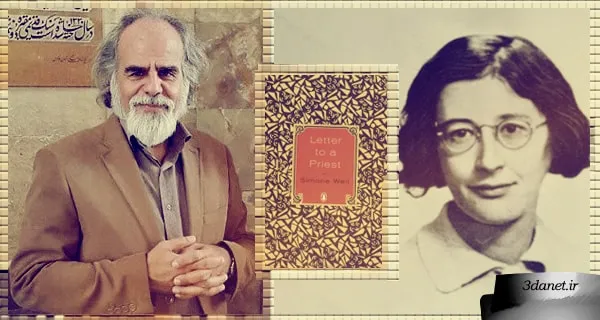
Letter to a Priest
With an introduction by Mostafa Malekian
Abolishing All Parties
With an introduction by Mostafa Malekian