In their times
Open in the Timeline of ThoughtLife and Thought
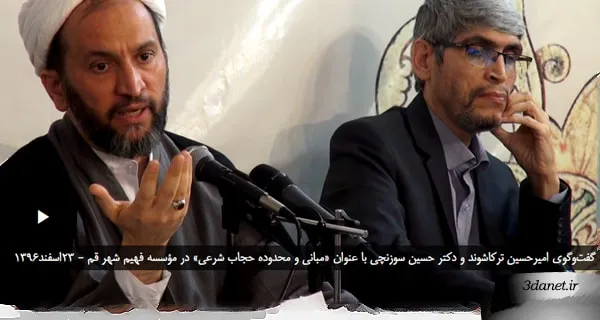
Amir Hossein Torkashvand (b. 1964) is a researcher of the Quran and religious texts. He is best known for his jurisprudential and historical studies on the rulings of dress and stoning, particularly his book The Shar‘i Hijab in the Prophet’s Era.
Amir Hossein Torkashvand, born in 1964, is a researcher of the Quran and religious texts. He is reported to hold a master’s degree in Quranic Sciences from the University of Tehran. Torkashvand’s main renown stems from his jurisprudential and historical studies on the rulings of dress, particularly his book The Shar‘i Hijab in the Prophet’s Era.
In his works, Torkashvand undertakes a re-reading of religious texts, narrations, early Islamic history, and jurisprudential opinions. His method is primarily historical-textual; that is, instead of relying on the common and later interpretations, he seeks to re-examine the social and linguistic atmosphere of the Prophet’s era, the usage of terms, historical reports, and the limits of rulings in primary sources. It is this very approach that has made his works, especially on hijab and stoning, controversial and the subject of extensive criticism.
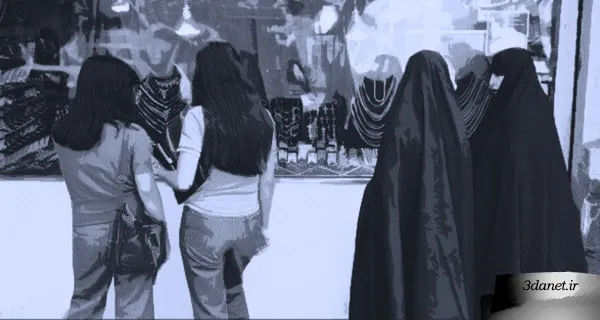
Torkashvand’s most important work is The Shar‘i Hijab in the Prophet’s Era, a detailed book that examines the background of dress in early Islam. According to reports, research for this book began in 2005, the text was completed in 2010, and after failing to receive an official publication license, it was published online in 2011.
In this book, by examining verses, narrations, the dress status of free and unfree women, and the customs of pre-Islamic and early Islamic Arabs, Torkashvand arrives at a conclusion different from mainstream jurisprudence. He believes that the obligatory extent of women’s covering in the Prophet’s era was far more limited than the currently widespread interpretation. This view has drawn the attention of some religious intellectual researchers and activists and has been criticized by a number of traditional jurists and critics. Debates and critiques of his book have also been published.
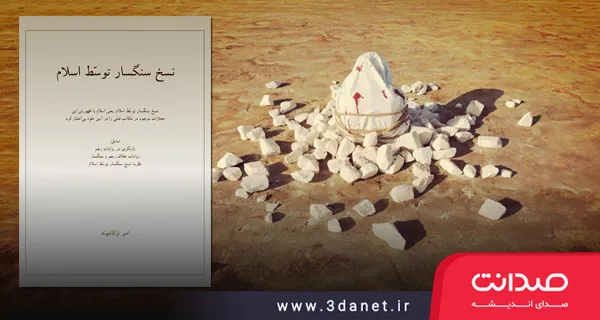
His other significant work is The Abrogation of Stoning by Islam. In this study, focusing on the Quran, narrations, and the history of jurisprudence, Torkashvand puts forward the view that stoning is not an original Islamic ruling and that Islam, rather than establishing or endorsing it, paved the way for its abandonment. Like his previous work, this book was mainly published online and resonated among religious intellectuals, Quranic scholars, and critics of jurisprudential punishments.
Bibliography
Writings and transcribed lectures3 titles
Shar'i Hijab in the Age of the Prophet
The Stoning of Stoning
Abolition of Stoning by Islam