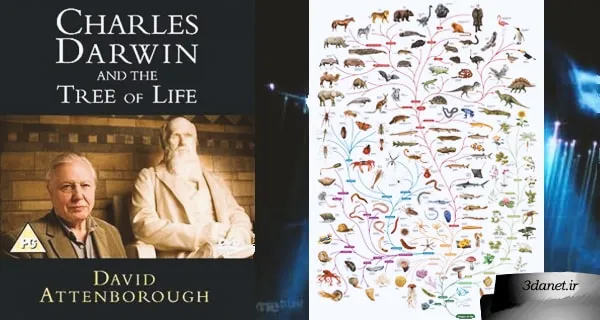
There is grandeur in this view of life, with its several powers, having been originally breathed into a few forms or into one; and that, whilst this planet has gone cycling on according to the fixed law of gravity, from so simple a beginning endless forms most beautiful and most wonderful have been, and are being, evolved.
In their times
Open in the Timeline of Thought


Life and Thought
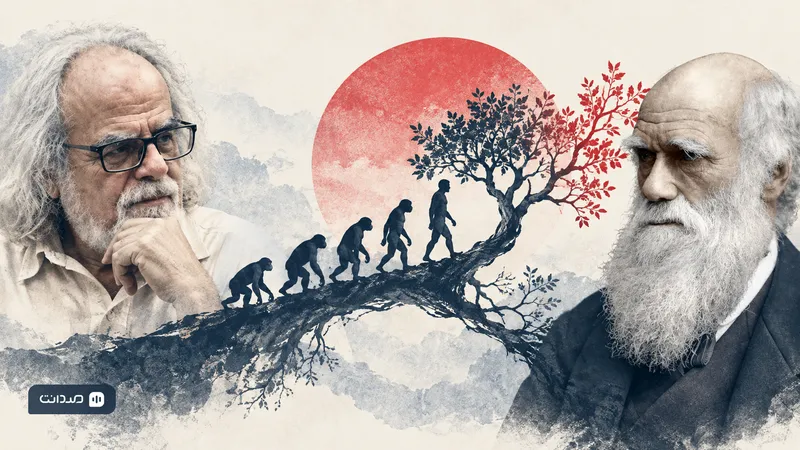
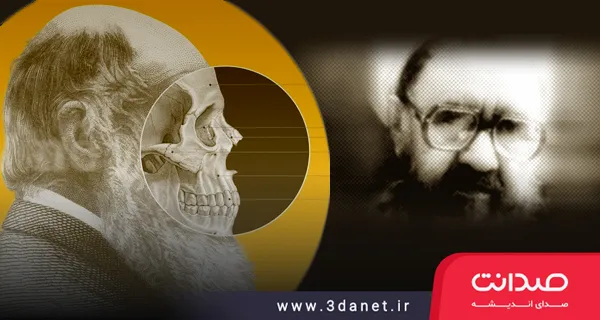
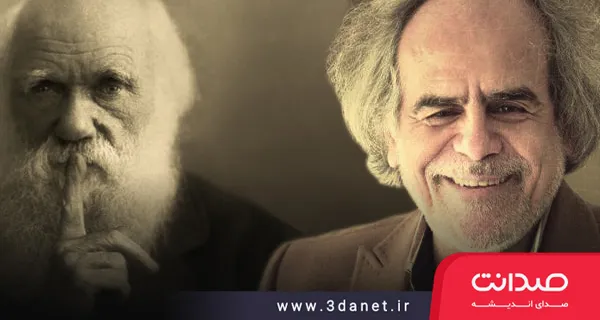
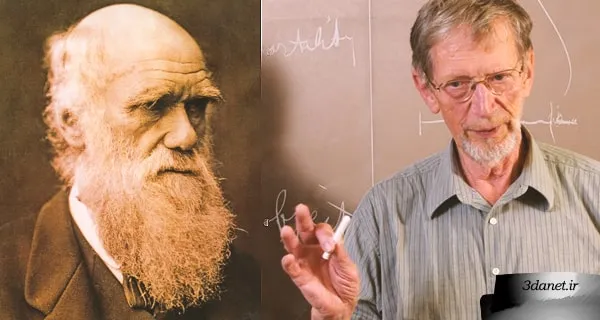
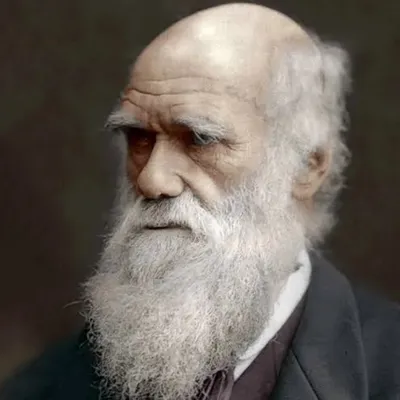
Charles Darwin was an English biologist and naturalist who founded the scientific theory of evolution by natural selection. His landmark book On the Origin of Species (1859) transformed scientific understanding of biodiversity and the history of life on Earth.
Charles Robert Darwin was born on 12 February 1809 in Shrewsbury, England. He grew up in a family interested in science and nature. After studying medicine at the University of Edinburgh and then natural theology at the University of Cambridge, he devoted himself to natural history. His five-year voyage on HMS Beagle (1831–1836) was crucial in shaping his scientific ideas; during the journey he collected numerous specimens of plants, animals and rocks and studied the distribution and adaptation of living organisms.
Darwin’s greatest achievement was the theory of biological evolution by natural selection. According to this theory, heritable traits of living organisms change across generations, and those traits that confer greater adaptation to the environment are more likely to be passed on. This view provided a scientific explanation for the vast diversity of life and profoundly influenced biology, anthropology and the philosophy of science.
His most important work is On the Origin of Species by Means of Natural Selection (1859). In later books, including The Descent of Man, and Selection in Relation to Sex (1871), he extended the theory of natural selection to explain the origin of humans and the role of sexual selection.
Darwin’s ideas mark a turning point in the history of science. His theory not only laid the foundation of modern evolutionary biology but also provoked wide debates about humanity’s place in nature, the relation between science and religion, and the understanding of the history of life.