

Life and Thought
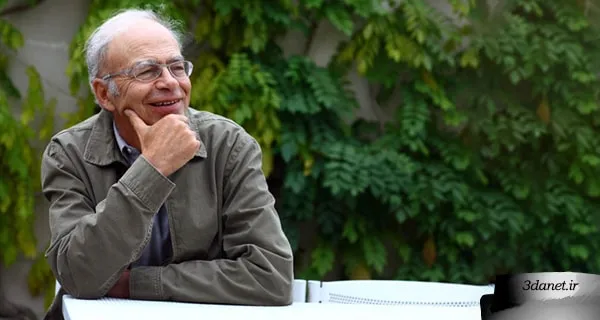
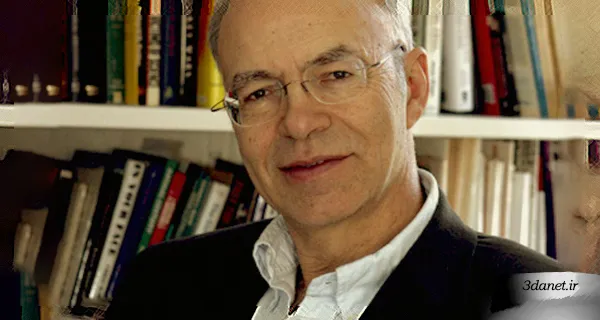
Peter Singer, born 1946, is an Australian moral philosopher and one of the leading figures in applied ethics. He is known for his book Animal Liberation and his theories on moral responsibility toward poverty and the suffering of living beings.
Peter Singer, born July 6, 1946, in Melbourne, Australia, is a moral philosopher and one of the most recognized figures in applied ethics in the contemporary world. He studied at the University of Melbourne and the University of Oxford, and from 1999 served as a professor of bioethics at Princeton University. According to Princeton University, Singer transitioned to emeritus status as of July 1, 2024.
The main focus of Singer's work is applied ethics; that is, examining how ethical principles can be applied to real-life human decisions. He has written on topics such as moral responsibility toward global poverty, consideration of the suffering of living beings, ethical lifestyle, effective altruism, and ethical living.
Singer's global fame began with the book Animal Liberation in 1975; a work that played a significant role in expanding philosophical and public discussions about animal rights and the ethics of consumption. His famous essay "Famine, Affluence, and Morality" is also among the influential texts in the discussion of individuals' moral responsibility toward suffering and poverty in the world.
Singer's cultural significance lies in the fact that he has taken moral philosophy out of the confines of theoretical discussions and connected it to everyday questions and practical choices. His works, whether one agrees with them or criticizes them, invite the audience to reconsider habits, responsibilities, and the meaning of an ethical life.
Bibliography
Writings and transcribed lectures12 titles
Animal Liberation
Practical Ethics
Famine, Affluence, and Morality
How Should We Live?
Rethinking Life and Death
One World: The Ethics of Globalization
The President of Good and Evil
The Life You Can Save
Worldview
The Most Good You Can Do
Ethics in the Real World
Animal Liberation Now